
Renting a car can be a great way to make travel easy. Whether you’re visiting a new city, heading out on a road trip, or just need a temporary set of wheels while yours is in the shop — having a rental car gives you freedom. But here’s something that many people overlook in the excitement of planning their trip: rental car insurance.
It might not feel as exciting as picking the car or planning your stops, but insurance is what protects you if things don’t go as planned. Let’s take a closer look at why it matters and how it can give you peace of mind on the road.
Table of Contents
What Is Rental Car Insurance?

In simple terms, rental car insurance helps cover costs if something goes wrong while you’re using the rented vehicle. It might help pay for:
- Damage to the rental car in case of an accident
- Theft of the rental car
- Damage you may accidentally cause to someone else’s property
- Medical costs if you or your passengers are hurt in a crash
When you book a car, the rental company (like Mr. Rent a Car) will usually offer insurance options. Sometimes your personal car insurance or a credit card might offer some coverage — but not always, and often not enough.
At Mr Rent a Car, we believe that true peace of mind on the open road comes from absolute clarity, not guesswork. We want our clients to feel confident, empowered, and fully informed every time they take the keys to a vehicle. That is why we have synthesized our extensive industry knowledge into this comprehensive, easy-to-read master guide. Written in clear, straightforward English, this resource is designed to pull back the curtain on rental vehicle protection, helping you save money, protect your family, and travel without stress.
Why Insurance Is So Important

Many drivers think, “I’m careful I don’t need insurance.” The truth is, even if you’re the safest driver around, you can’t control everything.
- Someone else might hit your rental.
- A rock could crack the windshield.
- The car might get scratched in a parking lot.
- A storm could cause damage while the car is parked.
Without insurance, you could be responsible for all the repair or replacement costs — and that can be a lot more expensive than the rental itself. Insurance helps protect your wallet if the unexpected happens.
What Defines a Trustworthy and Secure Vehicle Rental?
Before diving into the fine print of specific protection plans, it is vital to understand the foundational standards that define a secure, professional vehicle rental service. A premium rental transaction is built on mechanical reliability, transparent billing, and authentic customer care.
Rigorous Mechanical Inspections and Fleet Maintenance
A quality rental provider never treats vehicle safety as an optional expense or a secondary priority. Every sedan, SUV, crossover, and minivan must undergo a strict multi-point technical safety check every single time it returns from a customer and before it is approved for a new contract.
This routine involves testing battery cell health, verifying brake pad thickness, checking all engine fluid levels, and measuring tire tread depth and air pressure. Driving a vehicle that is backed by professional mechanical supervision ensures your physical safety, drastically minimizes the risk of a highway breakdown, and guarantees optimal fuel efficiency throughout your trip.
Total Financial Honesty and Transparency
There is nothing more damaging to the consumer experience than discovering a great rate online, only to see the final bill skyrocket at the counter due to hidden fees, local administrative surcharges, or unexpected environmental levies.
A reputable operator believes in upfront honesty. Your initial digital quote should explicitly itemize the daily base rate, regional sales taxes, federal taxes, and any optional protection waivers you selected. When your final credit card invoice matches your initial quote perfectly, it builds a solid foundation of consumer trust.
Localized Human Support Teams
We live in an era dominated by automated digital chatbots and outsourced global call centers located in distant time zones. When a real emergency occurs on the road—such as a flight delay due to unexpected weather, a change in your corporate timeline, or a minor parking lot incident—waiting on hold for an automated system is incredibly frustrating.
Premium operators maintain accessible, local human support channels. You should always have the immediate ability to speak directly with a knowledgeable local representative who understands the regional geography and has the authority to modify your contract instantly.
What Does Rental Insurance Usually Cover?
Insurance packages can vary depending on the company and location, but these are common types of coverage you might be offered:
- Collision Damage Waiver (CDW) — Covers damage to the rental car.
- Theft Protection — Helps if the vehicle is stolen.
- Liability Insurance — Covers damage to other people’s property or injury to others if you’re at fault.
- Personal Accident Insurance — Helps pay medical bills if you’re injured.
Before you say yes or no to any insurance option, ask what’s included. A good rental company — like Mr. Rent a Car — will explain it clearly so you’re not left guessing.
When Is Insurance Especially a Good Idea?
While it’s wise to have insurance any time you rent a car, it’s extra helpful in certain situations:
- You’re driving in an unfamiliar place.
- You don’t have personal car insurance that covers rentals.
- You’re renting for a longer period of time.
- You’re travelling in tough weather conditions, like Canadian winters.
- You’re renting a car abroad, where your usual coverage might not apply.
Better safe than sorry — that small cost of insurance can save you big if something goes wrong.
How Mr. Rent a Car Makes It Simple
If you rent from Mr. Rent a Car, adding insurance is easy.
- They explain the options without trying to upsell you on things you don’t need.
- Their pricing is clear, so you know exactly what you’re paying for.
- The team is friendly and ready to answer any questions — no pressure.
That’s what makes them a trusted choice for so many drivers in places like Vancouver, Calgary, Burnaby, and Richmond.
Final Thoughts
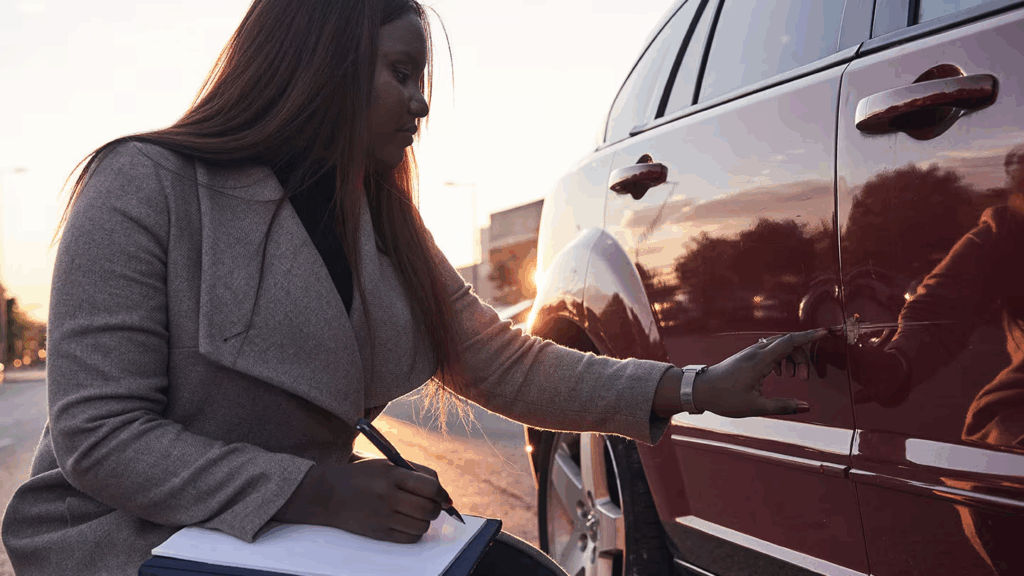
A rental car gives you freedom, but insurance gives you peace of mind. Nobody plans for accidents or damage — but if it happens, you’ll be glad you’re covered.
So next time you rent a car, take a moment to think about insurance. It’s a simple step that can save you stress, hassle, and money. And if you want an easy, honest rental experience, check out Mr. Rent a Car.
For more tips on safe driving and travel, you can also visit Transport Canada or Travel Alberta for ideas on where your rental car could take you next.
By matching your vehicle category perfectly to your destination’s terrain, executing a meticulous five-minute video walk-around inspection, and respecting local traffic regulations, you safeguard your personal travel budget and your peace of mind. Partnering with a professional, upfront rental provider allows you to cut through complex contractual jargon and hit the open road with absolute clarity, safety, and confidence.
What is the difference between primary and secondary credit card car rental protection?
Primary credit card protection is highly advantageous because it becomes the main source of coverage if the rental car is damaged. It pays for repair invoices directly, completely bypassing your personal home auto policy so your premiums do not increase. Secondary protection, which is far more common, requires you to file a claim with your personal home insurance company first; the credit card will only step in to cover remaining out-of-pocket expenses like deductibles.
Does standard rental car insurance cover multiple drivers?
Standard rental protection waivers only apply to drivers explicitly named on the rental contract. If an unauthorized driver operates the vehicle and an accident occurs, all insurance coverage becomes completely void, leaving you personally liable for the total cost of damages. Always ensure that any individual who plans to take the wheel is officially registered as an additional driver at the customer counter.
Am I protected if I drive my rental car onto unpaved gravel roads?
The vast majority of rental car contracts contain strict terms that completely forbid operating the vehicle on unpaved roads, logging paths, or off-road trails. If you drive onto gravel and damage the underside of the vehicle, or if you require roadside towing assistance, your protection waivers become void, and you will be held responsible for the full cost of recovery and repairs.
What should I do immediately if I get into an accident with my rental vehicle?
Your very first priority is safety: check for injuries, move to a secure roadside spot if possible, and call local emergency services or the police to file an official report. Next, take high-quality photographs of the damage to all vehicles involved and exchange contact details with other motorists. Finally, contact your rental provider’s local office immediately to report the incident and initiate the claims process.
Can I purchase rental car protection from an independent company instead of the counter?
Yes, many standalone travel providers sell independent rental car protection policies online before your trip. These third-party policies are frequently more affordable than daily counter waivers. However, keep in mind that if the vehicle suffers damage, you will typically need to pay the rental agency for repairs out of your own pocket first and then submit the invoices to your independent provider for reimbursement.