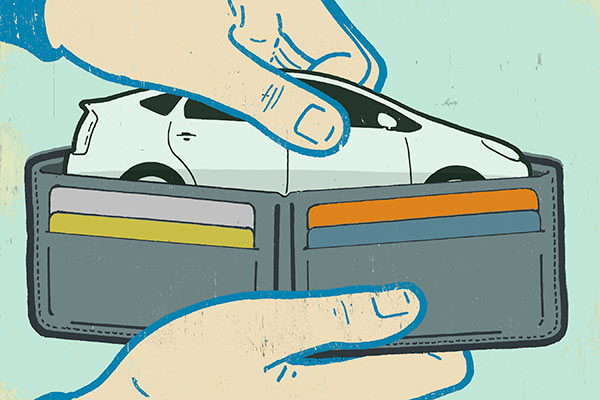
This extensive guide serves as your roadmap to finding and securing the Cheapest Car Rentals for your next journey. We go beyond simple price comparisons to explore the “science” of rental savings, covering everything from the strategic timing of your booking to the hidden benefits of off-airport locations. You will discover how to leverage credit card benefits to skip expensive counter insurance, the truth about fuel policies, and how to avoid the common “junk fees” that drive up costs.
We also provide practical tips for inspecting your vehicle and using modern digital tools to track price drops after you book. Whether you are planning a budget-friendly road trip through British Columbia or need a cost-effective vehicle for business in the city, this blog provides the expert strategies needed to keep your travel expenses at a minimum without sacrificing quality or safety.
Table of Contents
Introduction: The Art of the Deal in Car Rentals
In 2026, the travel market is more dynamic than ever. Finding the Cheapest Car Rentals is no longer just about picking the first low number you see on a search engine. It requires a mix of early planning, local knowledge, and an understanding of how rental companies price their fleets. A “cheap” rental that comes with hidden insurance fees or high refueling costs isn’t actually a bargain.
At Mr Rent a Car, we believe that every traveler deserves a fair deal. We know that by empowering you with the right information, you can make choices that save you hundreds of dollars. In this guide, we will break down every lever you can pull to lower your rental costs while ensuring you still get a reliable, clean, and safe vehicle for your trip.

1. Timing is Everything: When to Book for Maximum Savings
The price of a Rental Car fluctuates based on supply and demand, much like airline tickets. Understanding these cycles is the first step toward significant savings.
The “Sweet Spot” for Reservations
Generally, booking your vehicle at least three to four weeks in advance is the safest way to secure a lower rate. As the pickup date approaches and the fleet’s availability shrinks, prices almost always rise. During peak seasons—like summer in Vancouver or ski season in the Rockies—last-minute rates can double or even triple.
The “Book and Track” Strategy
One of the best-kept secrets in the industry is that many reservations are “pay at the counter” and offer free cancellation. You can lock in a rate today, but continue to check the website once a week. If the price drops due to a new promotion or a sudden increase in fleet supply, you can simply cancel your original booking and re-book at the lower rate.
2. Location Matters: Airport vs. Off-Airport Rentals
Where you pick up your car can be just as important as when you book it. While airport convenience is tempting, it often comes at a steep premium.
Understanding Airport Surcharges
When you rent a car directly inside a terminal like YVR, the company must pay “Concession Recovery Fees” and other airport taxes to the authorities. These fees are almost always passed directly to the customer. This can add a significant percentage to your total bill before you even turn the key.
The Shuttle Advantage
Off-airport locations, like our branches in Richmond or Burnaby, operate just minutes away from the terminal. Because we don’t have the high overhead of an airport desk, we can offer the Cheapest Car Rentals in the region. A quick, free shuttle ride can save you enough money to pay for several days of fuel or a nice dinner during your trip.
3. Choosing the Right Vehicle Class
It’s easy to get distracted by shiny SUVs or powerful muscle cars, but if your goal is the lowest possible price, you must be disciplined with your vehicle choice.
The Economy and Compact Advantage
Economy cars are the backbone of budget travel. They have the lowest daily rates, the best fuel efficiency, and are the easiest to park in crowded city centers. Unless you truly need the space for a large family or heavy mountain gear, sticking to the smallest car that fits your group is the most effective way to keep costs down.
Beware of the “Free Upgrade” Trap
Sometimes, an agent might offer a “free upgrade” to a larger vehicle. While the rental price might stay the same, remember that a larger SUV will cost much more in fuel than a compact sedan. Always consider the total “cost per mile” before accepting a larger car.
4. Decoding Insurance: Don’t Pay for What You Already Have
Insurance is often where a “cheap” rental becomes expensive. At the counter, you will be offered various protection plans that can sometimes cost as much as the daily rental itself.
Check Your Personal Auto Policy
If you own a car at home, your personal insurance policy may already extend coverage to rental vehicles. Call your agent before your trip to confirm if your “Collision” and “Comprehensive” coverage applies to rentals in Canada or the USA.
The Power of Your Credit Card
Many “Gold,” “Platinum,” or “Travel” credit cards include a Collision Damage Waiver (CDW) as a built-in benefit. If you pay for the entire rental with that card and decline the rental company’s insurance, the card company will cover damages to the vehicle. This single tip can save you a large amount of money on a week-long rental.
5. Fuel Policies: Avoiding the Refueling Markup
How you handle the gas tank can mean the difference between a great deal and a hidden penalty.
The “Level-to-Level” Rule
The Cheapest Car Rentals usually operate on a “Level-to-Level” basis. You receive the car with a full tank and must return it the same way. This is the most honest system because you only pay for exactly what you use at local market prices.
Skip the “Pre-Paid Fuel” Option
Rental agencies often offer to let you “pre-buy” a full tank of gas so you can return the car empty. While this sounds convenient, you are almost always paying a higher price per gallon than at a local gas station. Furthermore, you don’t get a refund for any fuel left in the tank when you return it. To save money, always fill up at a station a few blocks away from the return office.
6. How to Conduct a Strategic Vehicle Inspection
Protecting your “cheap” rate means ensuring you aren’t charged for damage you didn’t cause. A proper inspection is your best defense.
Total Time Needed: 5 Minutes
Tools Required: Your smartphone camera.
- High-Definition Video: Slowly walk around the entire car while filming. Start at the front bumper and move clockwise. Capture the wheels, the roof, and the glass.
- Detail the Underside: Briefly squat down to film the lower plastic trim and the “chin” of the front bumper, as these are common areas for scrapes.
- Interior Check: Take a photo of the seats and the dashboard. Ensure the fuel gauge and the odometer (mileage) are clearly visible in a photo.
- Note it Down: If you see any scratch larger than a credit card, ensure the agent records it on your digital or paper contract before you leave the lot.
7. Simple Driving Habits to Save Even More
Once you have the keys to the Cheapest Car Rentals, your behavior behind the wheel can still impact your final cost.
- Avoid Tolls: Use your GPS settings to “Avoid Tolls.” In areas like the Golden Ears Bridge or Port Mann, these electronic tolls are billed back to the rental company, which then adds an “administration fee” on top of the toll itself.
- Observe Speed Limits: Traffic camera tickets (red light or speed) are processed weeks after your trip. The rental agency will charge your credit card for the fine plus a processing fee.
- Park Smart: Use apps to find free or low-cost parking. A single parking ticket in downtown Vancouver can cost more than two days of car rental!

8. Summary
Finding the Cheapest Car Rentals is a journey that starts long before you reach the counter. By booking early and monitoring price drops, you secure the best baseline rate. By choosing an off-airport location like Mr Rent a Car, you bypass unnecessary airport taxes. Understanding your existing insurance through your credit card or personal policy allows you to confidently decline expensive add-ons. Finally, by managing your own fuel and conducting a thorough inspection, you protect your budget from surprise charges at the end of the trip. The “cheapest” rental is the one where the price you were quoted is the exact price you pay, allowing you to spend your hard-earned money on experiences, not extra fees.
Frequently Asked Questions (FAQs)
Is it better to pay for a rental in advance or at the counter?
“Pre-paid” rates are often a few dollars cheaper per day, but they are usually non-refundable. If your plans might change, it is better to choose the “Pay at Counter” option, which gives you the flexibility to cancel and re-book if you find a better deal later.
Are there extra fees for drivers under 25?
Most companies charge a “Young Driver Surcharge” for those aged 21 to 24. To keep your rental the cheapest possible, try to have the oldest member of your group (over 25) be the primary driver.
Do I really need a GPS add-on?
In 2026, almost everyone has a smartphone with excellent maps. Instead of paying a daily fee for a GPS unit, bring a simple phone mount and use your own device. Just make sure your data plan covers your destination!
What is the “hidden” cost of a one-way rental?
Picking up a car in Vancouver and dropping it off in Calgary is convenient, but it usually comes with a “Drop-Off Fee” that can be quite high. For the lowest price, always try to return the car to the same location where you picked it up.
How can I avoid “cleaning fees”?
You don’t need to professionally detail the car, but you should remove all trash, sand, or excessive dirt before returning it. If the car requires “extraordinary” cleaning (like pet hair or deep mud), the company will charge a significant fee. A quick five-minute cleanup can save you a lot of money.