
This guide is your all-in-one resource for planning an unforgettable journey across Vancouver Island. We will explore the best ways to reach the island using BC Ferries, the must-visit cities like Victoria and Nanaimo, and the wild beauty of Tofino and Ucluelet. You will learn about the different regions of the island, from the lush gardens of the south to the rugged forests of the north Vancouver Island
We also provide practical advice on choosing the right vehicle, understanding local driving laws, and how to stay safe while exploring. Whether you are looking for a relaxing weekend in a coastal town or a week-long expedition into the wilderness, this blog gives you the expert knowledge to make your trip a success.
Table of Contents
Introduction: Why Vancouver Island is a Dream Destination
Vancouver Island is a place of incredible contrast. It is home to the capital city of British Columbia, yet it also contains some of the most remote and untouched wilderness in North America. For those who love the freedom of the open road, it offers a variety of experiences that are hard to find anywhere else. You can spend your morning in a world-class museum and your afternoon standing at the edge of a massive old-growth forest.
At Mr. Rent a Car. , we know that the best way to see the island is behind the wheel. Having your own vehicle allows you to stop at hidden beaches, visit small artisan shops in tiny villages, and adjust your schedule whenever you find something interesting. In this guide, we will break down everything you need to know to navigate this island paradise with ease.
1. Getting There: Navigating the BC Ferries System
The first step in any Vancouver Island adventure is getting there. Since it is an island, you will most likely be taking a ferry from the mainland.
Choosing Your Route
There are two main routes from the Vancouver area. The first goes from Tsawwassen to Swartz Bay, which lands you just north of Victoria. This is the most popular route for those starting in the south. The second route goes from Horseshoe Bay to Nanaimo, which is perfect if you want to head straight to the central or northern parts of the island.
The Importance of Reservations
If you are traveling with a car, especially during the summer or on long weekends, a reservation is essential. Without one, you might find yourself waiting at the terminal for several hours. When you book a vehicle with us, we recommend securing your ferry spot at the same time to ensure your trip starts smoothly.
2. Building Trust with Local Knowledge (E-E-A-T)
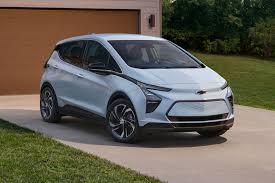
When you are exploring a new place, you want advice from people who know the area. Our team has years of experience helping travelers navigate the specific challenges of island driving.
Expert Advice on Island Conditions
We understand that driving in downtown Victoria is very different from driving the logging roads of the North Island. An expert provider doesn’t just give you the keys; they give you a “lay of the land.” We can tell you which roads get slippery in the rain and which mountain passes might require more caution.
Reliability and Safety Standards
Trust is built on the condition of your vehicle. On an island where cell service can be spotty in remote areas, you need to know your car is in top shape. Every vehicle in our fleet undergoes a strict inspection to ensure the brakes, tires, and lights are perfect before you set off on your journey.
3. Top Regions to Explore by Car
Vancouver Island is much larger than many people realize. It is divided into several distinct regions, each with its own character.
The South Island: Victoria and Beyond
Victoria is the heart of the south. It is a city full of history, beautiful architecture, and the famous Butchart Gardens. Driving around the Saanich Peninsula offers scenic views of the water and easy access to local farms and cideries.
Central Island: Nanaimo and Parksville
Nanaimo is known as the “Harbour City” and is a great jumping-off point for exploring the rest of the island. Just north of Nanaimo is Parksville, which is famous for its long, sandy beaches and warm water. This area is perfect for families who want to spend a few days relaxing by the ocean.
The West Coast: Tofino and Ucluelet
This is the wild side of the island. The drive from the east coast to the west coast is one of the most beautiful in Canada. You will pass through Cathedral Grove, where you can walk among trees that are hundreds of years old. Once you reach Tofino or Ucluelet, you are rewarded with rugged surf beaches and incredible storm-watching opportunities.
4. Driving Tips for Vancouver Island
Driving on the island is generally very pleasant, but there are a few things to keep in mind to ensure you stay safe.
Wildlife Awareness
Deer and elk are very common on the island, especially at dusk and dawn. They often cross the road unexpectedly. When driving through forested areas, keep your eyes scanning the ditches and reduce your speed if visibility is low.
Sporadic Cell Service
While the cities have great coverage, once you head into the mountains or toward the west coast, your phone signal may disappear. We recommend downloading offline maps or using a traditional GPS system to ensure you always know where you are going.
5. How to Plan Your Vancouver Island Road Trip
Total Time Needed: 30 Minutes for planning.Tools Required: Smartphone or Laptop, BC Ferries website, and a valid Driver’s License.
Step 1: Decide Your Starting Point
Determine if you want to start in the south (Victoria) or the central area (Nanaimo). Starting in Nanaimo is often better if your main goal is to reach Tofino, while Victoria is better if you want a mix of culture and coastlines.
Step 2: Book Your Vehicle
Choose a car that fits your group and your luggage. If you are heading to the more remote parts of the north island, you might consider an SUV for extra ground clearance. For city exploring and coastal cruises, a standard sedan is fuel-efficient and easy to park.
Step 3: Secure Your Ferry Reservation
Visit the BC Ferries website and book your sailing. Aim to arrive at the terminal at least 45 to 60 minutes before your scheduled departure. This gives you time to check in and get positioned in the loading lanes.
Step 4: Map Your “Must-See” Stops
Don’t try to see the whole island in two days. Pick three or four key spots, like Coombs (famous for the goats on the roof), Cathedral Grove, and the Malahat Skywalk. This keeps your driving time manageable and your relaxation time high.
6. Understanding Insurance and Paperwork
When you rent a car, you want to be fully protected. This is especially true on the island, where road conditions can change quickly.
Collision and Liability
Ensure your rental agreement includes coverage for collisions. Even a small “fender bender” can be expensive, and having the right insurance means you won’t be paying out of pocket. We offer several levels of protection to give you total peace of mind.
Documentation to Carry
Always keep your rental agreement, proof of insurance, and a valid driver’s license in the vehicle. If you are visiting from another country, ensure your license is in English or that you have an International Driving Permit.
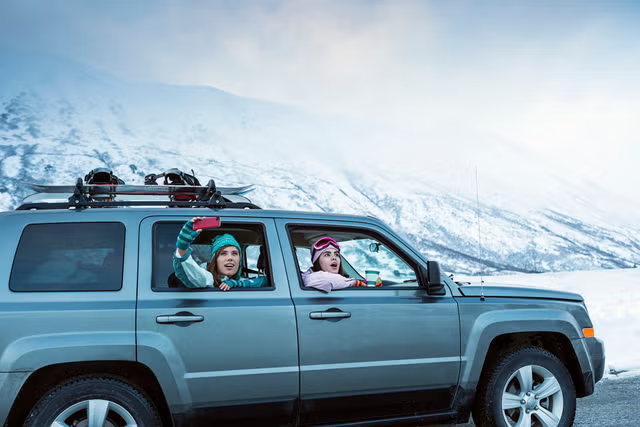
7. The North Island: For the True Adventurer
If you have a bit more time, heading north of Campbell River opens up a whole new world. This area is much less crowded and feels truly wild.
Telegraph Cove
This is one of the best places in the world for whale watching. It is a tiny, historic village built on stilts over the water. The drive up from the central island is long but beautiful, with plenty of opportunities to see bears and eagles along the way.
Port Hardy
This is the end of the road. From here, you can take ferries to even more remote islands or simply enjoy the quiet beauty of the northern tip. It is a place for those who want to get away from the tourist crowds and experience the raw beauty of the Pacific Northwest.
8. Why Choose Mr. Rent a Car for Your Island Trip?
We are committed to making your Vancouver Island experience as smooth as possible.
- Flexible Locations: We can help you arrange a vehicle that fits your arrival plans.
- Modern Fleet: Our cars are equipped with the latest safety features to keep you protected on the road.
- Local Insight: We are locals who love this island, and we are always happy to share our favorite “hidden gems” with our customers.
9. Summary
Vancouver Island is a world-class destination that is best explored at your own pace. By taking the ferry, choosing a reliable vehicle, and planning your route through the different regions, you can experience everything from historic cities to wild, rugged beaches. Remember to book your ferry in advance, watch for wildlife, and don’t forget to stop and enjoy the views along the way. With a partner like Mr. Rent a Car, your island road trip will be a memory that lasts a lifetime.
Summary Description: This guide covers everything you need for a Vancouver Island road trip, including ferry tips, regional highlights from Victoria to Tofino, and essential safety advice for island driving.
Frequently Asked Questions (FAQs)
How long does it take to drive from Victoria to Tofino?
Without stops, the drive usually takes about four to five hours. However, with scenic lookouts and a stop at Cathedral Grove, you should plan for a full day of travel.
Is it expensive to take a car on the ferry?
The cost depends on the size of the vehicle and the number of passengers. While it is an added expense, the freedom and convenience of having your own car on the island usually make it well worth the cost.
Do I need a 4×4 for Vancouver Island?
For most tourist destinations like Victoria, Nanaimo, and Tofino, a standard front-wheel-drive car is perfectly fine. You only need a 4×4 if you plan on exploring deep into the logging roads of the North Island.
When is the best time to visit?
Summer offers the best weather and the most activities, but it is also the busiest. Spring and fall are beautiful and less crowded, while winter is the best time for storm-watching on the west coast.
Are there plenty of gas stations on the island?
In the south and central regions, gas stations are everywhere. However, if you are driving to the west coast or heading north of Campbell River, it is a good idea to fill up whenever you see a station, as they can be far apart.