
Vancouver is a city where the urban skyline meets the rugged wild. From the glistening glass towers of Coal Harbour to the ancient cedars of Stanley Park, it is a place of breathtaking contrasts. While the city’s public transit system is efficient, nothing compares to the autonomy of having your own vehicle. Choosing to rent a car canada vancouver is not just about transportation; it is about unlocking the hidden gems of British Columbia—the secret trailheads, the misty coastal viewpoints, and the winding mountain passes that buses simply cannot reach.
In this comprehensive guide, we walk you through everything you need to know about the rental process in 2026. we cover the essential requirements, the best vehicle types for BC’s varied terrain, the nuances of local insurance, and the top road trips that start right from the city center. Whether you are a first-time visitor or a local resident looking for a weekend escape, this expert advice ensures your journey is smooth, safe, and unforgettable.
Table of Contents
The Strategic Importance of Choosing to Rent a Car Canada Vancouver
Vancouver is often described as a “terminal city”—the end of the rail lines and the beginning of the vast Pacific. While the city’s SkyTrain system is world-class for moving between urban hubs, it cannot take you to the misty trailheads of the North Shore or the secret beaches of the Sunshine Coast.
Choosing to rent a car canada vancouver is about reclaiming your schedule. It means not being beholden to tour bus timelines or the limited reach of ride-sharing apps in rural zones. In British Columbia, the transition from urban glass towers to ancient rainforests happens in a matter of minutes. Having a private vehicle allows you to experience this transition at your own pace, stopping for photos at every scenic pull-off on the Sea-to-Sky Highway.
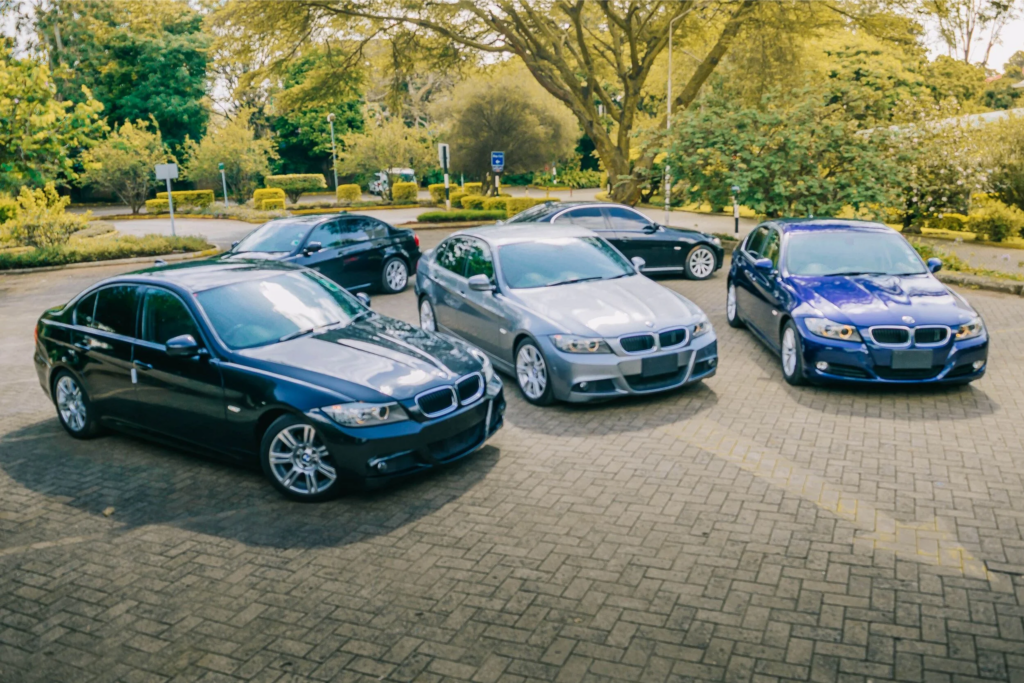
1. Matching Your Vehicle to the BC Landscape
Not all cars are created equal when it comes to the varied topography of Western Canada. Your itinerary should dictate your choice when you rent a car canada vancouver.
Economy and Compact Cars: The Urban Solution
If your trip is centered around the Lower Mainland—visiting Stanley Park, dining in Richmond, or attending meetings in Burnaby—an economy car is highly efficient. Vancouver’s older parkades can be incredibly tight; a smaller footprint makes navigating underground parking much less stressful. These models also offer the best fuel economy, which is a significant factor given the local fuel prices in the metro area.
SUVs and Crossovers: The Adventure Standard
In Vancouver, SUVs are not a luxury; they are a practical necessity for many. If you plan to head to Whistler, Squamish, or the Fraser Valley, the extra ground clearance handles gravel pull-outs and snowy slush far better than a sedan. Furthermore, the elevated driving position offers a superior view of the breathtaking mountain scenery along the coastal routes.
Luxury and Executive Rentals
For those arriving for the Vancouver International Film Festival or high-level corporate retreats, luxury rentals provide the comfort and prestige required. These vehicles typically feature advanced GPS systems and superior climate control, which is essential during the humid summer months or the damp, rainy winters.
2. Navigating the Logistics of Pickup and Return
The logistics of how you rent a car canada vancouver can significantly impact your travel budget and time.
Airport vs. Off-Airport Locations
Picking up a car at Vancouver International Airport (YVR) is the height of convenience, but it often comes with “premium location” surcharges and higher taxes. If you are staying in the city for a few days before needing a car, consider renting from a neighborhood branch in North Vancouver, Burnaby, or Richmond. Many local providers, such as Mr. Rent A Car, offer shuttle services or easy access via the SkyTrain that can save you a significant amount in airport-specific fees.
The 24-Hour Rule and Timing
Rental agencies operate on a strict 24-hour clock. If you pick up your car at 10:00 AM, returning it at 11:30 AM the next day often triggers a full second-day charge. Plan your flights and pickup times carefully to maximize the value of each 24-hour block. Always check the branch’s operating hours, especially for weekend returns, to avoid “after-hours” drop-off complications.
Fueling Strategies
Gas prices in Vancouver are historically some of the highest in Canada due to provincial and transit taxes. Most rental agreements require you to return the car with a full tank. Avoid the “pre-paid fuel” options offered at the counter, as they are rarely in the customer’s favor. Instead, use a fuel-tracking app to find a station a few kilometers away from the return center to avoid the inflated prices of stations located directly at the airport or major hubs.
3. Understanding Insurance and Liability in British Columbia
Insurance in BC has unique characteristics due to the provincial provider, ICBC. When you look to rent a car canada vancouver, you must understand what you are signing at the counter.
Collision Damage Waiver (CDW)
The CDW is not insurance but a waiver where the rental company gives up its right to charge you for physical damage to the car. Many premium credit cards provide this coverage for free, but there is a catch: you must decline the rental company’s CDW to activate your card’s coverage. Always call your bank beforehand to confirm their policy covers the specific vehicle class you intend to rent.
Third-Party Liability
This protects you if you are at fault in an accident that causes damage to others. While basic liability is mandatory in BC, many travelers opt for supplemental liability insurance (SLI) for extra protection. If you are a Canadian resident, your personal auto policy may already extend to rental cars, but international visitors should look closely at these options.
Loss of Use Coverage
In the event of an accident, rental companies may charge for the revenue lost while the vehicle is in the shop. This is a common “hidden” cost that many credit card policies do not cover. Check if your protection plan includes “Loss of Use” to avoid unexpected out-of-pocket expenses.
4. Seasonal Driving: Tires and Weather Precautions
Vancouver weather is famous for its unpredictability. Your vehicle needs to be prepared for the elements throughout the year.
Winter Tire Regulations
From October to April, many highways in BC—including the route to Whistler and the Coquihalla Highway—legally require winter tires. These must be marked with either the M+S (Mud and Snow) or the 3-peaked mountain/snowflake symbol. When booking your car, especially during the winter sports season, verify with the agency that your vehicle is legally equipped for mountain travel. Fines for non-compliance are significant, and safety is paramount.
The “Rain City” Reality
Vancouver earns its nickname. Driving in heavy rain requires high-quality wiper blades and clear headlights. Before leaving the rental lot, check that your wipers are not “chattering” and that all exterior lights are functioning. Hydroplaning is a real risk on Highway 1 during autumn storms, so maintaining a safe following distance is essential.
5. Local Driving Laws and Etiquette
To avoid fines and stay safe, you must adhere to British Columbia’s specific road rules.
Turning Right on Red
In Vancouver, you may turn right on a red light after a complete stop, unless a sign indicates otherwise. This helps keep traffic flowing in the dense downtown core. However, always yield to pedestrians and cyclists first.
HOV and EV Lanes
High-Occupancy Vehicle (HOV) lanes are common on the highways leading into the city. Some lanes also allow electric vehicles (EVs) with the proper provincial decal, even with a single occupant. If you choose an EV for your rent a car canada vancouver, ask the agent if the car is decaled for HOV use to save time during rush hour.
Pedestrian Rights
Vancouver is a very pedestrian-friendly city. Drivers are expected to yield to pedestrians at all intersections, even those without marked crosswalks. Fines for failing to yield are substantial, and police enforcement is common in tourist-heavy areas like Stanley Park.
6. Documenting the Condition: The Walk-Around
One of the most important steps in the rental process is the initial inspection.
The 360-Degree Video
Before you put your luggage in the trunk, take a high-definition video of the entire vehicle. Slow down at the bumpers, the windshield, and the rims. Most disputes over “new” damage are settled quickly if you have timestamped video evidence from the moment of pickup.
Internal Feature Check
Test the air conditioning, the heater, and the infotainment system. Ensure you know how to operate the electronic parking brake. If the car has a spare tire or a repair kit, verify its location before heading into remote areas like the Fraser Canyon or the Sunshine Coast.
7. Top Road Trip Routes from Vancouver
Once you have secured your vehicle, the province is your oyster.
The Sea-to-Sky Highway
Consistently ranked as one of the most beautiful drives in the world, this route takes you from ocean level to the mountain peaks of Whistler. There are numerous provincial parks along the way, such as Porteau Cove and Shannon Falls, that are only accessible by car.
The Fraser Valley Circle Tour
Head east to explore the agricultural heart of BC. Visit wineries in Langley, the Harrison Hot Springs, and the dramatic scenery of the Fraser Canyon. This route is flatter and well-suited for fuel-efficient sedans or comfortable crossovers.
The Sunshine Coast (Ferry Required)
Drive your rental car onto a BC Ferry at Horseshoe Bay. The Sunshine Coast is a string of isolated communities connected by a single highway. It is a haven for artists, kayakers, and those looking for a slower pace of life. A car is essential here as there is no train service and local bus options are limited.

8. Sustainability: Renting EVs in Vancouver
Vancouver has one of the highest rates of EV adoption in North America. Renting an electric vehicle is a fantastic way to navigate the city.
Charging Infrastructure
The city is dotted with Level 2 and DC Fast Chargers. Many hotels now offer “destination charging” for guests. If you rent an EV, use apps like PlugShare to plan your route and ensure you always have access to power, especially on longer trips.
Cost Savings
While the daily rental rate for an EV might be slightly higher, the savings on fuel—especially given Vancouver’s gas prices—often make the total cost of your trip lower. Plus, you get to experience the smooth, quiet ride of the latest automotive technology.
9. Dealing with Tolls and Fines
While many bridges in the Lower Mainland are now toll-free, there are still considerations for the modern driver.
Electronic Tolling
If you travel further east toward the interior or use specific private roads, you may encounter electronic tolls. Ask your rental agency about their toll-billing process. Most cars are equipped with transponders, and the agency will simply bill your credit card later.
Parking and Traffic Violations
Traffic camera violations and parking tickets are the responsibility of the renter. If a ticket is sent to the rental agency, they will pay it on your behalf but will often add an administrative processing fee to your final bill. It is always better to pay any citations immediately.
Summary of Rent a Car Canada Vancouver
To master the process when you rent a car canada vancouver, you must blend practical preparation with local knowledge. Start by selecting a vehicle that matches your terrain—compacts for the city and SUVs for the mountains. Be strategic about your pickup location to avoid unnecessary fees and always respect the 24-hour billing cycle. Understanding the nuances of BC insurance and the legal requirements for winter tires is essential for a stress-free journey.
By performing a meticulous vehicle inspection and adhering to local driving etiquette, you ensure that your West Coast adventure is defined by the scenery you see, not the obstacles you encounter. Whether you choose a high-tech EV or a classic sedan, the freedom of the road is the ultimate luxury in British Columbia.
Frequently Asked Questions (FAQs)
1. Can I drive my rental car from Vancouver to Victoria?
Yes, you can take your rental car on the BC Ferries. It is highly recommended to make a vehicle reservation in advance, especially during weekends and holidays, as the ferry to Vancouver Island can fill up quickly.
2. What is the minimum age to rent a car in Vancouver?
The standard age is 21, but drivers between 21 and 24 often have to pay a “young driver” daily surcharge. Some agencies may also restrict the types of vehicles (like luxury SUVs or minivans) available to younger drivers due to insurance policies.
3. Do I need an International Driving Permit (IDP)?
If your license is in English or French, you generally do not need an IDP. If your license is in another language, an IDP is required to serve as a translation of your valid home-country license. You must present both at the rental counter.
4. How do I pay for tolls in BC?
Most bridges in the Lower Mainland are now toll-free. However, if you drive into other provinces or use specific private roads, tolls may apply. Most rental cars are equipped with transponders, and the agency will bill your credit card automatically for the cost of the toll.
5. Is it difficult to find parking in Downtown Vancouver?
Street parking is limited and can be expensive. Most visitors prefer using public “Easy Park” lots or hotel parking. Always check the signage carefully, as Vancouver is very strict with towing in “no-stopping” zones during rush hour.