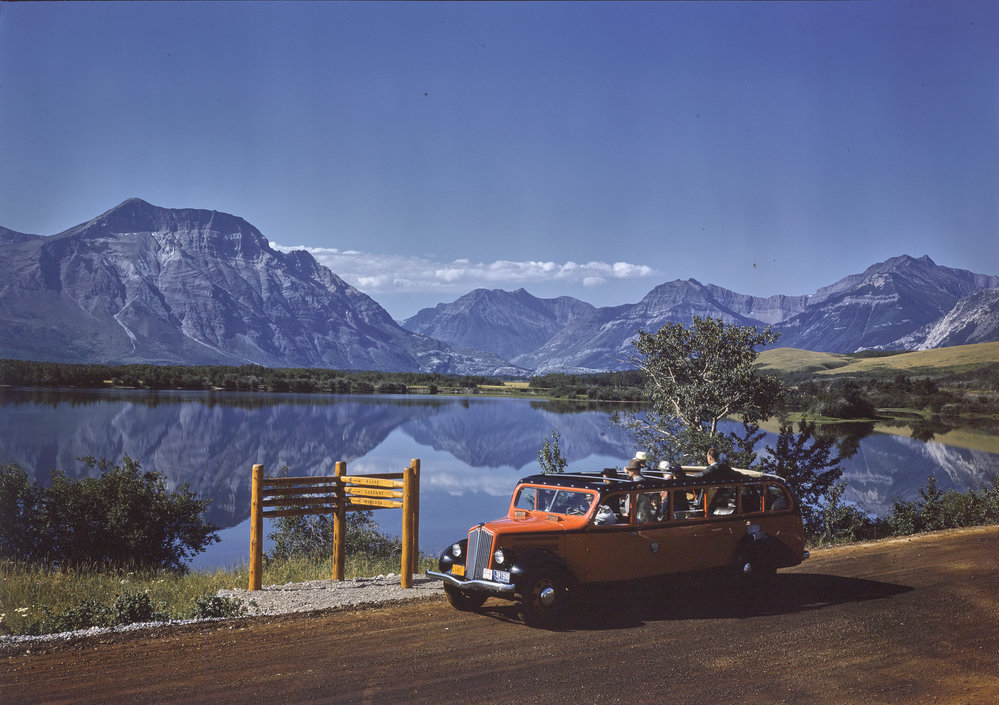
Leaving behind the amazing roads of Alberta and crossing the beautiful mountains of the Canadian Rockies to reach British Columbia to be honest, this is considered one of the best road trips in the world. Whether you want to see the blue water at Lake Louise, drive your car on the Icefields Parkway, visit the yards of the Okanagan Valley, or set out on the Trans-Canadian Highway with your rental car, the fun of it is on another level.
But yes planning a trip from one side to the other also brings a few problems. Renting a car from Calgary, Alberta and dropping it off in Vancouver, British Columbia means that you must know about the different rules, heavy one-way fees, and the changing weather of the mountains.
If you are also planning this journey of yours, then click on Car hire in Canada from Calgary to Vancouver and book your favorite car. But before booking, understand how the companies’ drop-off policies work, how to save yourself from hidden charges, and how to drive safely on mountain roads. In this guide, we will explain everything to you completely open and clear so that your one-way trip stays absolutely awesome and tension-free.
Table of Contents
1. The Reality of One-Way Inter-Provincial Rentals
Most travelers starting in Calgary want to drop their vehicle off in Vancouver so they can catch an international flight home without driving 1,000 kilometers back. While highly convenient, one-way bookings operate differently than standard round-trips.
Understanding the Inter-Provincial Drop-Off Fee
The biggest surprise for most road trippers is the “one-way drop fee” (sometimes called a relocation charge). Because car rental fleets are technically allocated to specific home provinces for registration and licensing, bringing an Alberta-registered vehicle into British Columbia means the agency must eventually transport that vehicle back or balance their fleet.
To cover this logistical cost, many major rental agencies charge a premium upfront drop-off fee. When booking your Car hire in Canada from Calgary to Vancouver, it is vital to ensure that this fee is fully disclosed and included in your initial quote rather than added as a surprise surcharge when you hand over the keys at the Vancouver counter.
2. Demonstrating E-E-A-T: Trust, Trans-Canada Highway Safety, and Fleet Transparency
Google prioritizes content built on Experience, Expertise, Authoritativeness, and Trustworthiness (E-E-A-T). When covering an intense mountain route like Calgary-to-Vancouver, authority isn’t just about price comparison—it is about keeping drivers safe on rugged Canadian highways.
Adapting to British Columbia’s Strict Winter Tire Laws
If your cross-mountain road trip is planned between October 1 and April 30, you cannot drive just any standard vehicle. British Columbia law strictly mandates that all passenger vehicles traveling on major mountain routes—including Highway 1 (Trans-Canada) and Highway 5 (Coquihalla)—must be equipped with designated winter tires bearing the three-peak mountain snowflake symbol or Mud and Snow (M+S) tires with a minimum tread depth of 3.5mm.
At Mr. Rent a Car, we maintain absolute fleet compliance. We ensure that our regional fleet vehicles transitioning through these zones are legally compliant with provincial tire mandates, saving you from hefty local police fines or unsafe driving conditions on icy mountain passes like the Kicking Horse Pass.

Guaranteeing Unlimited Kilometers
The direct driving distance between Calgary and Vancouver is roughly 1,000 kilometers, but nobody takes this trip without making a few detours into Banff, Jasper, or Kelowna. A reliable rental agency should provide unlimited mileage on long-distance, one-way bookings. We protect customer trust by explicitly writing unlimited kilometers into our cross-provincial contracts, ensuring you don’t have to keep an anxious eye on your odometer while exploring the wilderness.
3. Step-by-Step Guide: How to Secure the Best One-Way Car Hire
Long-distance inter-provincial rentals require careful coordination. Follow this practical, step-by-step roadmap to lock in a secure, transparent vehicle booking.
Step 1: Align Your Pick-Up and Drop-Off Depots Strategically
Start by mapping out your collection point in Calgary. If you are flying into Alberta, an airport collection at Calgary International Airport (YYC) is highly efficient. For your return, match it to your Vancouver departure—whether that means dropping off directly at Vancouver International Airport (YVR) or a central downtown facility near the transit lines.
Step 2: Formally Request a One-Way Cross-Provincial Agreement
When inputting your search parameters, ensure you check the “Return to a different location” box. This alerts the backend system to verify fleet availability across provincial borders. Never attempt to book a standard round-trip and simply show up at a different city’s depot to return the car; doing so can result in unauthorized conversion fees that cost thousands of dollars.
Step 3: Verify Your Mechanical Fleet Coverage Options
Driving through isolated mountain territory means you need a rock-solid safety net. During the online checkout phase, verify that your booking includes 24/7 mechanical roadside assistance that operates seamlessly in both Alberta and British Columbia. This ensures that a flat tire or mechanical warning light in the middle of Rogers Pass won’t leave you stranded.
Step 4: Finalize Your Security Deposit Requirements
Before leaving for Calgary, check your physical credit card’s expiration date and available credit limit. Inter-provincial one-way rentals often carry a slightly higher pre-authorization security hold than a local city rental. Ensure the primary driver has a valid physical card ready to present to the counter agent—cash and digital phone wallet copies will not be accepted.
4. Crucial Driving Rules: Transitioning from Alberta to BC
Driving practices can vary slightly as you cross provincial lines. Keep these vital local driving regulations in mind:
- Distracted Driving Laws: Both Alberta and British Columbia enforce zero-tolerance policies for holding or using a mobile device while behind the wheel. In BC, fines are exceptionally heavy and include penalty points against your driving record. Always utilize hands-free setups.
- Wildlife Crossing Warnings: The highway sections running through Yoho, Banff, and Mount Revelstoke National Parks are prime wildlife corridors. Elk, bighorn sheep, and bears frequently step onto the asphalt. Always adhere to posted speed limits, especially during dawn and dusk hours when visibility drops.
- The “Move Over” Law: If you spot an emergency vehicle, tow truck, or roadside service vehicle stopped on the shoulder with its lights flashing, provincial laws require you to slow down significantly and change lanes to give them a safe buffer zone.
5. Summary & Final Thought
Embarking on a cross-country road trip with a car hire in Canada from Calgary to Vancouver is the absolute best way to experience the transition from Western Canada’s rugged prairies to its towering alpine ranges. By carefully selecting an agency that offers clear, upfront pricing with no hidden inter-provincial drop-off surcharges, you can focus entirely on the majestic scenery rather than financial stress.
Just remember to keep your physical identification and credit documentation organized, match your vehicle selection to the mountain terrain, and strictly respect local seasonal tire regulations. Partnering with a reliable local expert like Mr. Rent a Car ensures you have a safe, fully-inspected, and legally compliant vehicle backed by 24/7 roadside support every single kilometer of the way.
Frequently Asked Questions (FAQs)
Are there extra fees for renting a car in Calgary and dropping it off in Vancouver?
Yes, most car rental providers assess a one-way fleet relocation fee (drop fee) because the vehicle must ultimately be managed or moved back to its home province. Always ensure this fee is fully calculated in your upfront booking summary to avoid surprise counter costs.
Do I need a special driver’s license to drive across provincial borders in Canada?
No, a standard, valid driver’s license from your home country or another Canadian province is perfectly acceptable for driving across both Alberta and British Columbia. If your license is in a language other than English or French, you must carry an International Driving Permit (IDP) alongside it.
What happens if I encounter winter weather on the mountain passes in summer?
While rare, high-altitude passes like the Rogers Pass can occasionally experience sudden flurries or heavy rain even in late spring or early autumn. Booking an All-Wheel Drive (AWD) vehicle or an SUV gives you the essential stability and safety buffer needed to safely navigate unpredictable mountain weather.
Can I pick up my rental vehicle at Calgary Airport and return it to Vancouver Downtown?
Yes, multi-depot configurations are highly popular. You can easily pick up your vehicle from the Calgary Airport (YYC) rental stalls and coordinate a drop-off at a downtown Vancouver terminal or branch location depending on your travel itinerary.
Do I need to buy a separate National Park Pass if I am driving my rental car through Banff or Jasper?
Yes. Driving through Canada’s national parks (like Banff, Yoho, or Jasper) requires a valid Parks Canada Discovery Pass or a daily admission pass. Car rental companies do not include national park entry fees in the rental contract, as these are government regulations managed directly by Parks Canada. You can easily purchase your vehicle pass online before your trip or buy it directly at the park entrance gates when driving in from Calgary. Make sure to hang the physical pass on your rearview mirror to avoid park ranger fines.