This extensive, deep-dive guide is your ultimate resource for navigating the market for a Car Rental in Richmond, British Columbia. Whether you are a business traveler arriving at Vancouver International Airport (YVR), a tourist planning an epic Pacific Northwest road trip, or a local resident needing a temporary replacement vehicle, this blog covers every detail you need for a smooth ride. You will discover the financial strategies to avoid expensive airport terminal surcharges, how to pick the perfect vehicle category for the changing West Coast weather, and how to decode insurance options like Collision Damage Waivers (CDW) in simple English.
We also provide a professional step-by-step vehicle inspection routine, essential driving tips for Richmond’s unique roads, and a clear breakdown of fuel and toll policies. Read on to master the rental process and enjoy total peace of mind on your next journey.
Table of Contents
Introduction: Why Richmond is Your Ultimate Transportation Hub
Richmond, British Columbia, is a dynamic city that sits right at the edge of the Pacific Ocean. It is a vital gateway to Western Canada, primarily because it is home to Vancouver International Airport (YVR). Thousands of people arrive in this region every single day, and for the vast majority of them, finding a reliable Car Rental in Richmond is the very first priority.
While the region has a great transit line connecting major hubs, British Columbia is incredibly spread out. If you want to visit the historic fishing village of Steveston, shop at the bustling night markets, or head north toward the world-famous mountain highways of Whistler, a private vehicle is a mechanical necessity.
At Mr Rent a Car, we have spent decades serving this wonderful community. We understand that renting a vehicle can sometimes feel overwhelming, with complicated terms and unexpected fees. That is why we created this comprehensive, easy-to-read guide. We want to empower you with local knowledge so you can choose the best car for your budget and drive away with total confidence.
1. Defining a Quality Car Rental in Richmond
When you begin searching for a vehicle online, it is easy to get distracted by the lowest baseline price. However, a true quality rental experience is built on a combination of several critical factors that ensure your safety and comfort.
Complete Fleet Maintenance
A top-tier rental provider does not cut corners on vehicle health. Every car, SUV, and minivan should undergo a rigorous multi-point safety inspection before it is handed over to a new driver. This includes checking fluid levels, testing the brakes, monitoring battery life, and ensuring the tires have deep tread. When you rent a car, you are trusting that vehicle with your life and the lives of your passengers; professional maintenance is non-negotiable.
Upfront, Honest Pricing
There is nothing worse than finding a great rate online, only to see the price double at the counter due to hidden fees. A trustworthy rental service provides complete transparency. Your quote should clearly show the base rate, local taxes, environmental levies, and any optional add-ons you selected. When the final bill matches your expectations, it builds real trust.
Real Human Support
Modern travel can be unpredictable. Flights get delayed, business meetings run late, and travel plans change at the last minute. Working with a company that offers local, accessible customer service makes a massive difference. Instead of dealing with an automated global call center in another country, you should be able to speak directly with a local expert who can solve your problem immediately.
2. On-Site vs. Off-Site Airport Rentals: The Smart Money Strategy
Because Richmond contains the airport, travelers face a major choice immediately after collecting their luggage: should you rent a car inside the terminal building, or choose an off-site provider just minutes away?
The Reality of Terminal Surcharges
Renting a car directly at an airport desk inside the terminal building feels incredibly convenient. However, that convenience comes with a steep financial penalty. Airport authorities charge rental companies massive concession fees and facility taxes to operate inside the building. To survive, those companies must pass these costs directly to you. This is often listed on your contract as a “Premium Location Fee” or “Airport Recovery Surcharge,” which can add a significant percentage to your total cost.
The Off-Site Shuttle Advantage
Opting for a Car Rental in Richmond that is located just outside the immediate airport boundary is the ultimate strategy for budget-conscious travelers. These off-site offices operate just a few minutes away from the arrivals gate and provide free, dedicated shuttle buses to transport you and your luggage. Because these locations do not have the massive overhead costs of the airport terminal, they can pass those massive savings directly to you. By spending five minutes on a comfortable shuttle, you can often save enough money to cover several days of fuel or a fantastic dinner during your stay.

3. Navigating Vehicle Categories for the West Coast
Every trip has a different purpose, and matching your vehicle category to your specific itinerary is key to a comfortable journey.
Economy and Compact Sedans
These smaller vehicles are the backbone of budget travel. They offer the highest fuel efficiency, which is a major benefit given the local gas prices in the Lower Mainland. Compact cars are also incredibly easy to maneuver through Richmond’s busy commercial districts and fit perfectly into the tighter parking stalls found in city parkades. They are ideal for solo business travelers or couples who plan to spend most of their time within the city limits.
Mid-Size and Full-Size Sedans
If you need a bit more legroom or have a few extra suitcases, stepping up to a mid-size or full-size sedan is a smart move. These vehicles provide a smoother, quieter ride on the highway, making them excellent for day trips to white-sand beaches or commuting into downtown Vancouver. They offer a perfect balance of comfort, trunk space, and fuel economy.
SUVs and Crossovers
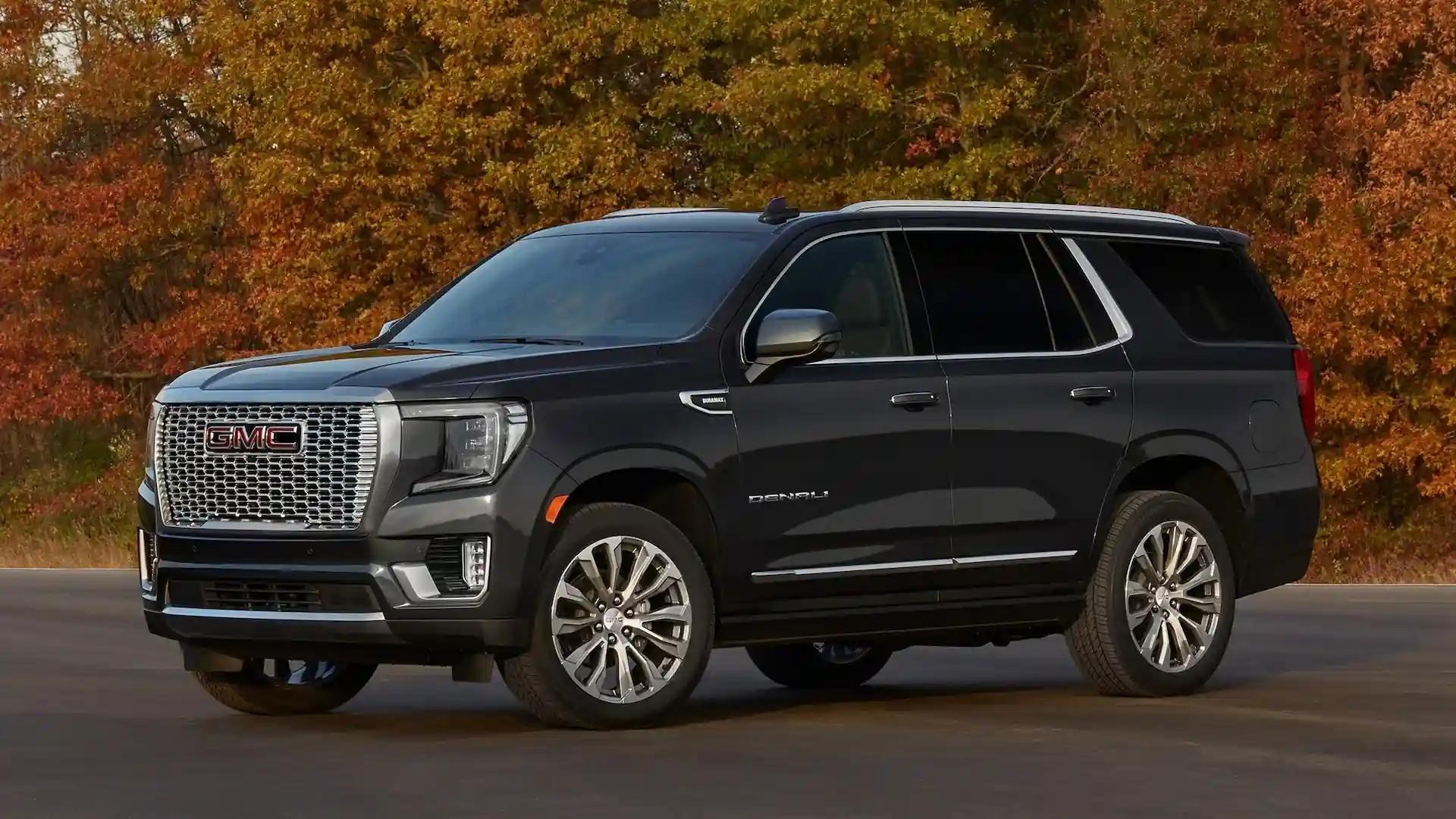
British Columbia is a playground for outdoor enthusiasts. If your travel plans involve heading into the mountains, visiting provincial parks, or carrying sports equipment like golf clubs or skis, an SUV is highly recommended. The higher seating position provides superior visibility on winding mountain roads, and the advanced drivetrains offer excellent traction during heavy coastal rainstorms.
Minivans and Passenger Vans
Traveling with a large family or a group of corporate colleagues requires space and organization. A minivan is the ultimate solution for group comfort. They offer easy entry and exit through sliding doors, massive rear cargo areas for luggage, and enough personal space to keep everyone happy during long drives across the province.
4. Decoding Rental Car Insurance in Simple English
Insurance is often the most confusing part of securing a Car Rental in Richmond. At the counter, you will be presented with various protection plans. Understanding what these terms actually mean allows you to make an informed decision without feeling pressured.
Third-Party Liability
This is the most fundamental layer of insurance, and it is strictly required by law in British Columbia. Third-party liability covers damage you accidentally cause to other people or their property. If you hit another vehicle or damage a piece of city property, this insurance pays for those external repairs and legal costs. Reputable rental companies include the legally required minimum amount of this coverage in their standard rates.
Collision Damage Waiver (CDW)
The CDW is not technically insurance; rather, it is an agreement where the rental company agrees to waive their legal right to make you pay for the full cost of repairing their vehicle if it is damaged in an accident or stolen.
- The Deductible: When you purchase CDW, your maximum financial risk is capped at a fixed amount known as the deductible or excess. If the car suffers significant damage, you only pay that fixed deductible, and the rental company covers the rest.
- Zero-Deductible Packages: For total peace of mind, many travelers opt for a premium package that drops the deductible to zero. This means if the car is scratched, dented, or damaged, you walk away without paying a single dollar for repairs.
Using Personal Auto Insurance or Credit Cards
Many local residents and international visitors carry premium credit cards or personal auto insurance policies that claim to cover rental cars. While this can save you money on daily fees, you must do your homework before arriving at the counter:
- Call Your Provider: Contact your credit card company or insurance agent before your trip and ask explicitly if their coverage applies to a rental car in British Columbia.
- Check Vehicle Restrictions: Many credit cards completely exclude large passenger vans, luxury vehicles, or heavy SUVs from their insurance policies.
- Understand the Claims Process: Remember that credit card insurance is often “secondary.” If you have an accident, you will usually have to pay the rental company for the damages upfront out of your own pocket, and then spend weeks submitting paperwork to your credit card company to get reimbursed. Choosing the rental agency’s direct CDW eliminates this stress entirely, as the claim is handled internally from day one.
5. The Professional Step-by-Step Vehicle Inspection Routine
No matter which company you choose for your Car Rental in Richmond, you should always perform a thorough physical inspection of the vehicle before turning the key. This simple routine takes less than five minutes but serves as your ultimate insurance policy against being falsely blamed for pre-existing damage.
Step 1: The High-Definition Video Walk-Around
Before putting any bags in the car, pull out your smartphone and turn on the video camera. Start at the front bumper and slowly walk clockwise around the entire vehicle. Keep the camera focused on the lower body panels, the corners of the bumpers, and the wheels, as these are the most common areas for minor scrapes and dings.
Step 2: The Windshield and Glass Check
Slowly scan the front windshield for any tiny stone chips or hairline cracks. In British Columbia, highway gravel can easily chip the glass. If you spot even a microscopic chip, ensure the rental agent notes it on your digital contract before you drive away, as small chips can quickly grow into large cracks when the weather changes.
Step 3: Interior and Technology Function
Step inside the cabin and perform a quick functional check. Ensure the air conditioning blows cold, the heater works effectively, and the windshield wipers are in good condition to handle the famous West Coast rain. If you plan to use your phone for navigation, plug a cable into the USB port to ensure it charges properly and connects to the vehicle’s entertainment system.
Step 4: Confirm Fuel and Mileage
Take a clear photo of the dashboard instrument cluster while the engine is running. This photo serves as an indisputable record of your starting fuel level (which should typically be full) and the current mileage on the odometer.

6. Local Driving Tips for Navigating Richmond and Beyond
Driving in a new city can sometimes feel intimidating. Richmond has a unique geographic layout and specific traffic patterns that every driver should be aware of to ensure a safe and smooth trip.
The Metric System
If you are visiting from the United States or overseas, remember that Canada uses the metric system for all road signs. Speed limits are posted in kilometers per hour (km/h), and distance signs show kilometers. Your rental vehicle’s speedometer will display kilometers clearly, so simply match the number on the dashboard to the number on the road signs.
Right Turns on Red Lights
In Richmond and throughout British Columbia, you are legally permitted to make a right turn at a red traffic light after coming to a complete and total stop, assuming the intersection is clear of pedestrians and cross-traffic. However, keep a close eye out for signs that explicitly state “No Right Turn on Red.”
Pedestrian Right-of-Way
Richmond is a highly walkable city with numerous designated crosswalks, especially near shopping centers, public transit stations, and cultural sites. Pedestrians always have the absolute right-of-way. When approaching a crosswalk or turning at an intersection, look carefully for pedestrians who may be stepping onto the road.
Managing Rush Hour and Bridges
Because Richmond is an island city connected to Vancouver and Surrey by a series of bridges and a major tunnel, traffic can slow down significantly during peak commuting hours in the morning and late afternoon.
- The George Massey Tunnel: This connection to the south can experience heavy delays during rush hour.
- The Arthur Laing and Oak Street Bridges: These routes heading north into Vancouver get incredibly busy. Plan your travel times carefully, and always allow extra time when returning your vehicle before a scheduled flight.
7. Understanding Fuel and Toll Policies
To keep your Car Rental in Richmond experience completely stress-free, you must understand the rules regarding refueling and electronic road tolls.
The Standard “Level-to-Level” Fuel Policy
Most reputable rental agreements operate on a “Level-to-Level” basis. This means the vehicle is handed over to you with a completely full tank of fuel, and you are expected to return it in the exact same condition.
- The Refueling Trap: Avoid the temptation to skip filling up before returning the car. If you return the vehicle with a partially empty tank, the rental company will charge you to fill it up. Because this requires staff time, the price per liter charged by rental agencies is significantly higher than the market rate at a local gas station.
- Smart Strategy: Locate a gas station in the city of Richmond, a few kilometers away from the rental office, and top off the tank right before you drop the keys off. Keep the paper receipt as proof of the time and location of your final fill-up.
Electronic Toll Bridges
While most roads in the Lower Mainland are free, there are specific routes, such as the Port Mann Bridge on Highway 1 or the Golden Ears Bridge further east, that utilize electronic toll systems. These bridges do not have physical toll booths; instead, high-speed cameras automatically photograph the vehicle’s license plate as you drive across.
- How It’s Billed: Ask your rental counter agent how toll bridge crossings are handled. Typically, the toll bill will be forwarded to the rental company weeks after your trip ends, and the cost will be automatically charged to your credit card on file, along with a small, standard administrative processing fee.

8. Summary
Securing a Car Rental in Richmond is the single most effective way to ensure your trip through the Pacific Northwest is flexible, comfortable, and tailored to your schedule. By choosing an off-site provider located just minutes away from Vancouver International Airport, you can easily bypass expensive terminal surcharges while still enjoying the convenience of a free shuttle service. Remember to match your vehicle category to your specific terrain and passenger needs—whether it is a fuel-efficient compact car for urban driving or a robust SUV for exploring mountain passes.
Protect your budget and your peace of mind by thoroughly understanding your insurance options, conducting a careful five-minute vehicle inspection before departure, and familiarizing yourself with local driving customs and fuel policies. With the right set of keys in your hand and a clear understanding of the process, the stunning landscapes, historic sites, and vibrant culture of British Columbia are yours to explore with total confidence.
Frequently Asked Questions (FAQs)
How do I access the free shuttle bus from the airport terminal to the Richmond rental office?
Once you collect your luggage and exit the arrivals building, follow the clear overhead signs marked “Courtesy Shuttles” or “Off-Site Car Rentals.” There are designated pick-up pillars located right outside the terminal doors. Simply wait at the specified pillar, and our clearly marked shuttle van will arrive within a few minutes to carry you and your bags directly to our office.
Can I drive my Richmond rental vehicle across the border into the United States?
In most cases, yes! Driving south into Washington State for a day trip or an extended holiday is very common. However, you must inform the rental counter agent at the time of pick-up. We will provide you with the necessary cross-border vehicle registration and insurance documentation to ensure you experience zero delays at the border crossing.
What specific documents must I present at the counter to pick up my car?
To collect your vehicle, the primary driver must present a valid, unexpired driver’s license written in English or French (or accompanied by an International Driving Permit). You must also present a major credit card in the exact same name as the driver’s license to secure the standard refundable security deposit, along with a passport if you are an international traveler.
Are winter tires legally required for driving around Richmond during the colder months?
Within the city limits of Richmond and the greater Vancouver area, dedicated winter tires are not a legal requirement because the coastal climate stays relatively mild. However, if you plan to drive north on the Sea-to-Sky Highway toward Whistler or east into the interior mountains between October and April, British Columbia law mandates that your vehicle must be equipped with winter-rated tires. Always inform us of your route so we can provide a properly equipped vehicle.
What happens if I accidentally return the vehicle a bit late?
Rental periods are strictly calculated on a 24-hour clock from the exact time you pick up the car. Most providers offer a short grace period of a few minutes. However, returning the vehicle significantly past your scheduled time can result in hourly late fees or an automatic charge for an additional full day of rental. If you know you are stuck in traffic or your plans have changed, always call the local office immediately to update your return time.