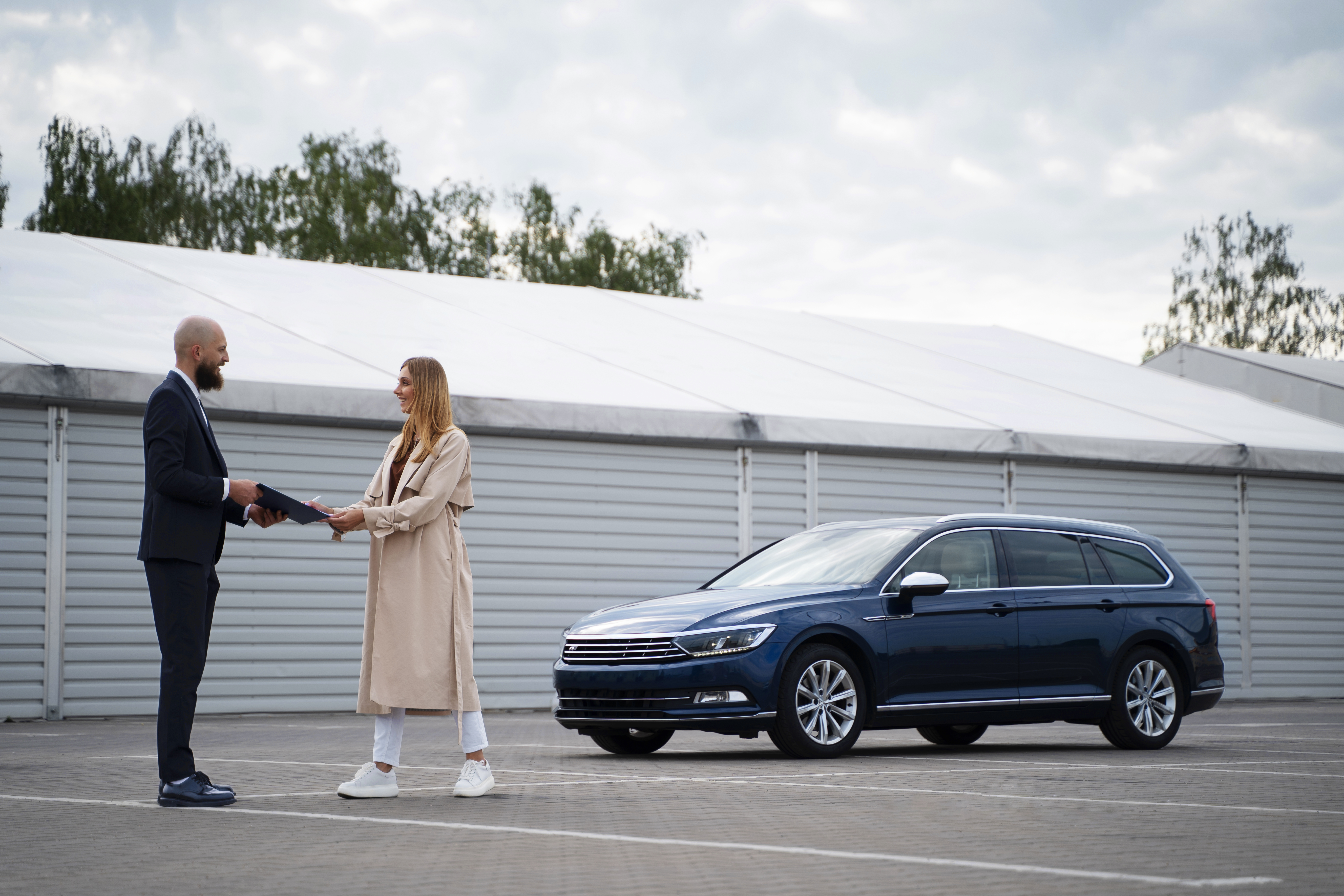
Planning a trip through the diverse landscapes of British Columbia often leads travelers to the bustling hub of Surrey. As one of the fastest-growing cities in Canada, Surrey serves as a strategic gateway to the Greater Vancouver area, the U.S. border, and the scenic Fraser Valley. To truly unlock the potential of this region, securing a reliable vehicle is essential.
This comprehensive guide explores the ins and outs of car rentals surrey bc canada, providing deep insights into vehicle selection, local driving regulations, insurance requirements, and expert tips to ensure your rental experience is as smooth as the Sea-to-Sky Highway. We delve into why local expertise matters, how to navigate the city’s unique town centers, and the specific steps you need to take for a stress-free booking process.
Table of Contents
Why Car Rentals in Surrey are Essential for Modern Travelers
Surrey is not just a suburb; it is a sprawling “city of cities” encompassing over 300 square kilometers. Its geography is a unique blend of high-density urban centers, industrial zones, and vast agricultural lands. While the Skytrain connects North Surrey to Vancouver, many of the city’s most iconic destinations—like the serene Crescent Beach or the historic Cloverdale district—are difficult to access via public transit alone.
When you look for car rentals surrey bc canada, you are essentially buying time and flexibility. A personal vehicle allows you to bypass rigid bus schedules, carry recreational gear for a day at Bear Creek Park, or commute to business meetings across the Lower Mainland with professional ease. In a city where the distance between neighborhoods can be significant, the convenience of a car is unmatched.

Navigating the Six Town Centres of Surrey
To maximize your rental experience, it helps to understand the specific driving environments within Surrey’s six distinct town centers:
Whalley/City Centre: The Urban Hub
As Surrey’s emerging downtown core, Whalley is characterized by high-density residential towers and commercial hubs. Traffic here is heaviest around the King George SkyTrain station and major intersections like 104th Avenue.
- Driving Tip: Parking can be competitive and stalls in underground parkades are often narrow.
- Vehicle Choice: A compact or economy car is your best ally here, offering the agility to navigate busy intersections and the small footprint required for tight city parking.
Guildford: The Shopping Destination
Guildford is home to one of British Columbia’s largest shopping malls and the sprawling Green Timbers Urban Forest. The roads are designed for high volume, with wide multi-lane boulevards that accommodate significant visitor traffic.
- Driving Tip: During weekends and holiday seasons, the area around the mall becomes highly congested.
- Vehicle Choice: A mid-size sedan or SUV is ideal; you’ll appreciate the extra trunk space for shopping bags and the comfort of a larger cabin if you get stuck in mall-exit traffic.
Fleetwood: The Residential Escape
Fleetwood is primarily a suburban residential community known for its parks, such as Fleetwood Park and T.E. Scott Park. The driving environment here is significantly more relaxed compared to the North Surrey hubs.
- Driving Tip: Watch for lower speed limits in school zones and near community centers.
- Vehicle Choice: This is a great area for hybrids or comfortable sedans, allowing for a quiet, smooth ride through tree-lined streets and local residential roads.
Newton: The Central Industrial Bridge
Newton is Surrey’s geographic center and serves as a vital industrial and transit link. You will encounter a mix of heavy commercial trucks, transit buses, and local commuters, especially along 72nd Avenue and King George Boulevard.
- Driving Tip: Heavy vehicle traffic means you’ll want a car with good visibility to manage blind spots when merging.
- Vehicle Choice: A sturdy crossover or SUV provides a slightly elevated driving position, helping you see over the varied traffic and handle the wear of more industrial-leaning roadways.
Cloverdale: The Historic Crossroads
Cloverdale retains a “small-town” feel with its historic main street and agricultural roots. While the town center is walkable, the surrounding areas consist of long, open rural roads and farming valleys.
- Driving Tip: Be mindful of farm machinery on the road during harvest seasons and expect more open-road driving.
- Vehicle Choice: A comfortable full-size sedan is perfect for a “pleasant heritage tour,” offering the stability needed for higher-speed rural limits while staying stylish for the historic district.
South Surrey: The Coastal Gateway
Bordering the U.S. and the ocean, South Surrey features longer stretches of highway (Highway 99) and the steep hills of White Rock.
- Driving Tip: If you’re heading to the Peace Arch or Pacific Highway border crossings, check for significant wait times and frequent “stop-and-go” border lineups.
- Vehicle Choice: A luxury SUV or full-size vehicle is the gold standard here. These models provide the power needed for hilly coastal terrain and the premium comfort required for potentially long waits at the border or scenic drives to the beach.
Matching the Fleet to Your Mission
Selecting the perfect vehicle is more than just a matter of price; it is about ensuring your transportation aligns with the specific “mission” of your trip. In a diverse geographical area like the Lower Mainland, the right car can be the difference between a stressful commute and a seamless journey. At Mr. Rent A Car, we provide a curated fleet designed to meet the unique demands of British Columbia’s roads.
Economy and Compact Cars: Efficiency for the Urban Explorer
For solo adventurers, students, or couples running errands, economy and compact cars are the premier choice. These vehicles are engineered for the “stop-and-go” reality of Surrey’s urban centers. Their primary advantage is maneuverability; navigating tight parking stalls at Guildford Town Centre or parallel parking in a busy Whalley neighborhood becomes effortless. Furthermore, they are the champions of fuel economy. In an era of fluctuating gas prices, choosing a compact model allows you to allocate more of your budget to your experiences rather than the fuel tank.
Sedans: The Professional Standard
When your mission involves business meetings or small family trips, intermediate and full-size sedans offer an elevated level of sophistication and comfort. Models like the Toyota Camry or Kia Forte provide superior highway stability, which is essential for the long stretches of Highway 1. These vehicles offer a quieter cabin and smoother suspension, ensuring that after a drive from Surrey to Vancouver, you arrive feeling refreshed rather than fatigued. They also provide a professional aesthetic, making them ideal for corporate travelers who need to maintain a polished image.
SUVs and Crossovers: Ready for the Elements
British Columbia is famous for its “four seasons in one day” weather. An SUV is the ultimate tool for versatility. With higher ground clearance and robust handling, these vehicles provide confidence during heavy West Coast rain or the sudden slushy conditions of a BC winter. If your mission includes a trip to the local mountains or hauling outdoor equipment like hiking gear or golf clubs, the expansive cargo space and optional All-Wheel Drive (AWD) of a crossover are indispensable.
Vans: Bringing the Group Together
For large families, sports teams, or wedding parties, logistics can be a nightmare if split across multiple cars. A 7 or 8-passenger minivan simplifies your travel by keeping everyone together. It is a cost-effective solution that reduces fuel consumption and parking fees. For even larger missions, such as corporate retreats or community events, a 15-passenger van ensures that your entire group arrives safely and on time, making the journey part of the shared experience.

Understanding BC’s Unique Insurance Landscape
Insurance can be the most confusing part of the rental process. In British Columbia, basic insurance is mandatory on all vehicles. Here is what you need to know:
- Collision Damage Waiver (CDW): While not technically insurance, the CDW is a contractual waiver that reduces your financial responsibility if the car is damaged. It is highly recommended for peace of mind in high-traffic areas.
- Third-Party Liability: This covers you against claims made by others for property damage or injury. Most reputable agencies include a standard level of liability, but always verify the limits.
- Personal Coverage: Check if your personal auto policy or your credit card offers “Rental Car Damage” protection. However, be aware that using personal insurance often involves an administrative fee for the transfer of plates or policy verification.
Legal Requirements and Documents for 2026
To avoid delays at the rental counter, ensure you have the following ready:
- A Valid Driver’s License: A Class 5 BC license or an equivalent from your home jurisdiction is required. If your license is not in English or French, an International Driving Permit (IDP) is strongly recommended to accompany your original license.
- Age Limits: The age of majority for renting is typically twenty-five. However, many agencies allow drivers between twenty-one and twenty-four to rent, provided they pay an underage surcharge. Drivers with a learner’s permit (Class 7L) do not qualify.
- Major Credit Card: A physical credit card (Visa, Mastercard, or American Express) in the renter’s name is mandatory for the security authorization hold. Most agencies do not accept debit cards or prepaid cards for the security deposit.
Expert Driving Tips for the Lower Mainland
Driving in Surrey and the surrounding area comes with specific local nuances:
- The Port Mann Bridge: This is a major artery connecting Surrey to Coquitlam and Burnaby. It uses electronic tolling. Ask your rental agent how tolls are handled; most vehicles have transponders that bill the agency directly.
- HOV Lanes: High Occupancy Vehicle lanes are common on Highway 1. Ensure you have the required number of passengers (usually 2+) before entering these lanes to avoid significant fines.
- Winter Tires: If you plan on driving past Hope or onto the Sea-to-Sky Highway between October and April, winter tires or M+S tires are legally required. Always check the tire specs on your rental car before heading into the mountains.
- Fueling Policy: Most rentals operate on a “full-to-full” basis. Surrey has plenty of gas stations, but it is wise to locate one near the rental office before you return to avoid high refueling fees.
The Advantage: Why Local Experts Win
When you choose car rentals surrey bc canada through a local specialist, you are benefiting from years of community-specific experience. Local companies understand the traffic patterns of the Alex Fraser Bridge, the best spots for local dining, and the seasonal demands of the BC climate. This expertise translates into personalized service that large international franchises often struggle to match. Trust is built through transparency—clear contracts, well-maintained fleets, and a staff that treats you like a neighbor rather than just another booking number.
Additionally, local experts can provide insights on hidden gems in the area, ensuring you make the most of your visit. They often offer tailored recommendations for scenic drives or attractions that might not be highlighted in typical travel guides. Furthermore, customer feedback from the community helps these businesses continuously improve their services. By choosing a local car rental company, you are not only enhancing your travel experience but also supporting the local economy.
This creates a win-win situation for both visitors and residents alike. Local car rental companies often prioritize flexible rental options, accommodating changes in itineraries that larger franchises may not allow. Their familiarity with the region allows them to offer unique add-ons, such as guided tours or special rates for extended rentals.
Moreover, many local businesses emphasize eco-friendly practices, providing hybrid or electric vehicle options for environmentally conscious travelers. This commitment to sustainability resonates with customers who value responsible tourism. Ultimately, choosing a local service fosters a sense of community and connection, enriching the overall travel experience.

Step-by-Step: The Booking and Pickup Process
- Reserve Online: Visit the website to select your dates and vehicle. Booking in advance is highly recommended, especially during peak summer months or the December holiday season.
- Review the Confirmation: Double-check your pickup and return times. Most rentals operate on a 24-hour clock, and late returns can trigger extra fees.
- The Counter Experience: Present your license and credit card. This is the time to ask about GPS units or child safety seats if needed.
- The Vehicle Inspection: Before driving away, do a 360-degree walk-around of the vehicle. Take photos or a quick video of the exterior and interior to document the condition.
- Adjust and Familiarize: Take a moment to adjust your mirrors and seat. Familiarize yourself with the infotainment system and headlight controls before entering traffic.
Returning Your Rental with Confidence
A smooth return is the final step to a great trip. When returning your rental vehicle, ensure that it is clean and free of personal belongings. Most local companies provide clear instructions for drop-off locations and hours, making the process straightforward. If possible, take a few minutes to inspect the vehicle with a staff member to address any concerns. Timely returns can help avoid additional fees and allow for a seamless transition to your next adventure. By following these simple steps, you can conclude your rental experience on a positive note.
- Cleanliness: While normal wear is expected, excessive dirt or smoking in the vehicle can lead to heavy cleaning fees.
- Personal Belongings: Check the glove box, the door pockets, and under the seats for phones, charging cables, or sunglasses.
- Timing: Aim to return the car within the 30-minute grace period usually provided to avoid hourly charges.
Summary
Renting a car in Surrey, BC, is the most effective way to navigate the region’s diverse terrain and vibrant neighborhoods. By understanding the specific needs of the city’s six town centers, selecting the right vehicle category, and ensuring you meet all legal and insurance requirements, you can enjoy a seamless travel experience. Whether you are visiting for business or leisure, choosing a local provider with deep regional expertise ensures you receive reliable service and a vehicle that is ready for the unique challenges of the Pacific Northwest.
When returning your rental, make sure to follow the outlined procedures to avoid any additional charges. Inspect the vehicle for any damage and ensure it is refueled to the agreed-upon level. Keep all documentation organized, as this will facilitate a quick check-in process. Additionally, consider leaving feedback about your experience, as it helps improve services for future travelers. Embracing these steps will not only provide peace of mind but also enhance your overall satisfaction with the rental experience. Familiarize yourself with the local driving laws and regulations to ensure a safe journey.
Utilize navigation apps to avoid traffic congestion and discover scenic routes that highlight the area’s natural beauty. If you’re planning to explore beyond the town centers, consider a vehicle equipped for outdoor adventures, such as SUVs or all-wheel-drive options. Keep an emergency kit in your rental for unexpected situations, ensuring you’re prepared for any scenario. Finally, take the time to appreciate the local culture and attractions, making your trip not only about transportation but also about enriching experiences.
Frequently Asked Questions (FAQs)
Can I rent a car in Surrey if I am under 25?
Yes, drivers between the ages of twenty-one and twenty-four are permitted to rent most standard vehicles. However, they are usually required to pay a daily underage surcharge and may be subject to a higher security deposit.
Is a credit card mandatory for the security deposit?
Yes, a major credit card in the primary renter’s name is required for the authorization hold. Debit cards, prepaid cards, and cash are generally not accepted for the initial security hold, although they may be used to pay the final balance.
Do I need to buy extra insurance if I have my own policy?
Not necessarily. Many personal auto policies in Canada cover rental vehicles. However, you must provide proof of your policy, and the rental agency may charge a small administrative fee to verify and process your personal coverage.
What is the policy on driving a rental car into the United States?
Most rental agreements allow travel into the USA, but you must obtain written permission from the rental office first. This ensures your insurance remains valid across the border and that you have the necessary documentation for customs.
How are tolls handled for bridges like the Port Mann?
Rental vehicles are typically equipped with transponders. Any tolls incurred are tracked electronically and billed back to the credit card on file, often with a small processing fee from the rental company.