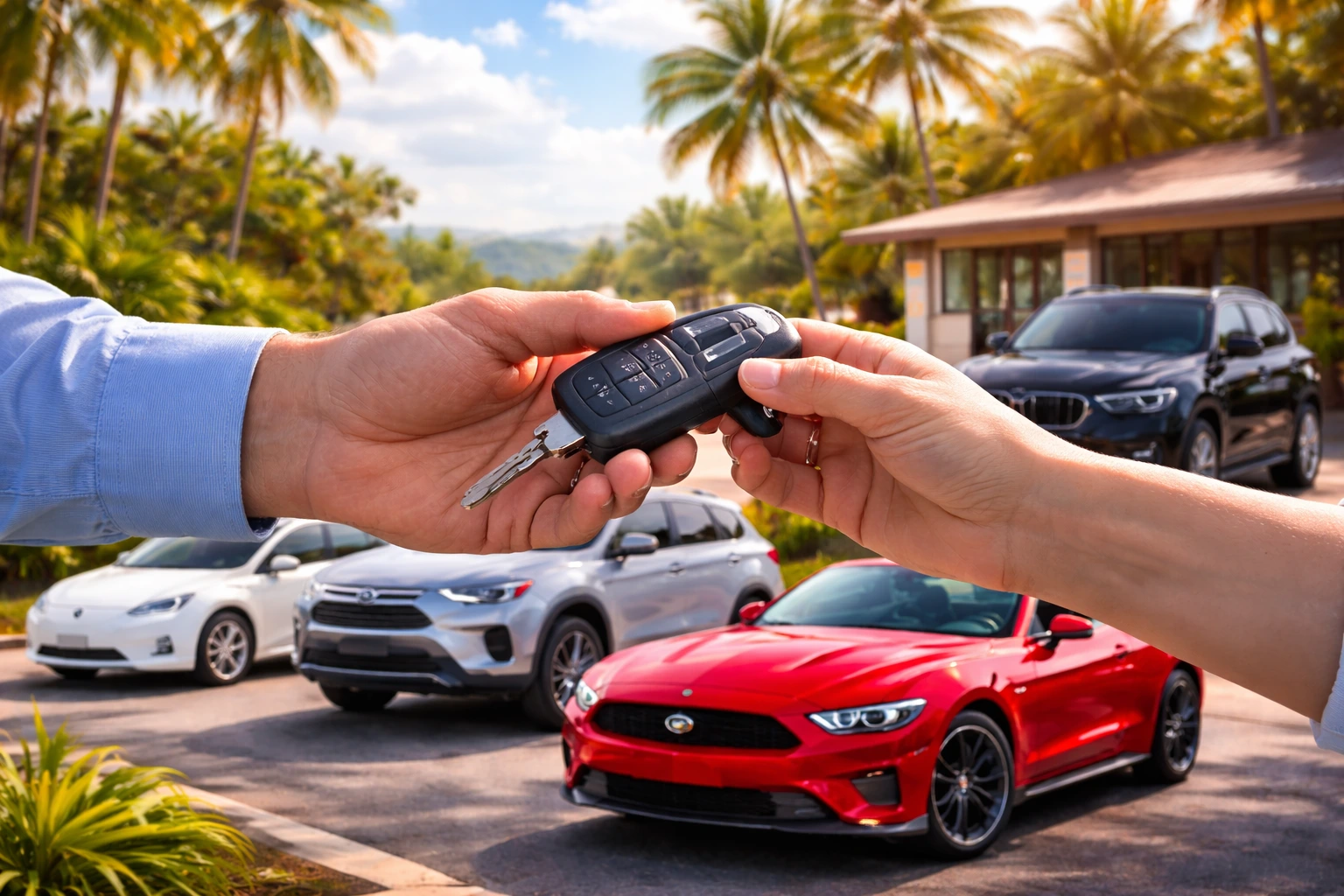
Whether you are planning a cross-country road trip, a high-stakes business meeting, or simply need a reliable vehicle while your own is in the shop, choosing from the vast array of cars to rent can be a daunting task. The modern rental market is more diverse than ever, offering everything from fuel-efficient compacts to high-performance luxury SUVs. Navigating these choices requires a balance of practical knowledge, financial planning, and an understanding of your specific travel needs.
In this comprehensive guide, we will explore the essential factors you must consider when looking for cars to rent. We will break down the different vehicle categories, explain the nuances of rental insurance, provide professional tips on securing the best rates, and highlight how to ensure a seamless pickup and return process. By the end of this article, you will be equipped with the expertise to make an informed decision that enhances your travel experience while providing peace of mind.
Table of Contents
Understanding Your Needs: The First Step in Choosing Cars to Rent
Before you even open a search engine, the most critical step is a self-assessment of your requirements. Not all cars to rent are created equal, and the “best” car is entirely subjective to your itinerary.
Defining the Purpose of Your Trip
The nature of your journey dictates the type of vehicle you should seek. If you are navigating the narrow, crowded streets of a major metropolitan area, a compact or subcompact car is your best friend. These vehicles offer ease of parking and superior maneuverability. On the other hand, if you are heading into the mountains or rural areas where terrain might be uneven, an All-Wheel Drive (AWD) SUV becomes a necessity rather than a luxury.
Considering Passenger Count and Comfort
It is a common mistake to choose a car based solely on the number of seats. While a sedan may technically seat five people, a long-distance trip with five adults in a mid-size car can quickly become uncomfortable. For groups of four or more, looking into larger categories like full-size sedans or minivans ensures that everyone has enough legroom and shoulder space to enjoy the ride without feeling cramped.
Luggage Capacity and Storage
Always account for your baggage. A convertible might look stylish for a coastal drive, but many models have extremely limited trunk space once the top is down. If you are traveling with sports equipment, large suitcases, or camping gear, ensure the cars to rent you are considering have the cubic footage required to store your items securely and out of sight.

Exploring the Categories of Cars to Rent
Rental agencies typically categorize their fleets to help customers narrow down their choices. Understanding these classifications is key to finding the right fit.
Economy and Compact Vehicles
These are the workhorses of the rental industry. Ideal for solo travelers or couples on a budget, economy cars offer the highest fuel efficiency. They are easy to drive and generally come with the lowest rental premiums. While they may lack high-end interior materials, modern economy cars are equipped with essential technology like Bluetooth connectivity and basic driver-assist features.
Intermediate and Full-Size Sedans
If you need a bit more “breathing room” and a smoother ride on the highway, intermediate or full-size sedans are the standard choice. These vehicles offer a more substantial feel on the road, better sound insulation, and more powerful engines than their compact counterparts. They are the go-to for business travelers who want to maintain a professional appearance without the price tag of a luxury vehicle.
SUVs and Crossovers
The popularity of SUVs has surged in the rental market. They provide a high seating position, which offers better visibility of the road ahead. Crossovers are perfect for families who need extra space but prefer a driving experience similar to a car. Larger, body-on-frame SUVs are available for those who need significant towing capacity or maximum interior volume.
Luxury and Specialty Wraps
For those special occasions—weddings, anniversaries, or high-profile corporate events—luxury cars to rent provide an elevated experience. This category includes high-end brands known for their craftsmanship, advanced technology, and superior performance. Additionally, specialty rentals might include rugged off-road vehicles or classic cars for enthusiasts who view the drive as the highlight of the trip.
The Logistics of Securing Cars to Rent
Once you know what you want, the process of actually booking the vehicle involves several layers of strategy to ensure you get the best value and service.
Timing Your Booking
The rental industry operates on dynamic pricing, much like airlines. Booking well in advance is generally the best way to secure lower rates, especially during peak holiday seasons or major local events. However, if you are traveling during an off-peak period, you might find “last-minute” deals as agencies try to clear their inventory. Monitoring prices over a few weeks can give you a baseline of what a “good” deal looks like.
Understanding Rental Duration and Rates
Rental rates are usually calculated on a 24-hour clock. If you pick up a car at 10:00 AM on Monday and return it at 11:00 AM on Tuesday, you will likely be charged for two full days. Being precise with your pickup and drop-off times can save you the cost of an entire extra day. Furthermore, weekly rates are often more economical than daily rates; sometimes, keeping a car for seven days is cheaper than keeping it for five.
Location Matters: Airport vs. Off-Site
Renting a car directly from an airport terminal is incredibly convenient, but it often comes with “premium location fees” and additional taxes. If you are looking to save, check for rental branches located just a few miles away from the airport. Many offer free shuttle services and significantly lower base rates because they do not have to pay the high airport concession fees.
Navigating Insurance and Protection Plans
One of the most confusing aspects of looking for cars to rent is the array of insurance options offered at the counter. Understanding what you already have can save you from paying for redundant coverage.
Collision Damage Waiver (CDW)
The CDW is not technically insurance but a contractual waiver that shifts the financial responsibility for damage to the rental car from you to the rental company. While it provides peace of mind, it can be expensive. Before opting in, check with your personal auto insurance provider; many policies extend coverage to rental vehicles. Additionally, many high-end credit cards offer secondary or even primary rental car coverage as a member benefit.
Liability Insurance
Liability insurance covers damage you cause to other people’s property or injuries to other people while driving the rental car. Most states require rental companies to carry a minimum amount of liability, but this is often quite low. If you do not have a personal auto policy with high liability limits, purchasing the supplemental liability insurance offered by the agency is a wise move to protect your assets.
Personal Accident and Effects Coverage
These options cover medical costs for you and your passengers and protect against the theft of personal items from the vehicle. If you have comprehensive health insurance and a homeowners or renters insurance policy, you may already be covered for these scenarios, making these add-ons unnecessary.

The Inspection Process: Protecting Yourself from Disputes
When you finally arrive to pick up your choice of cars to rent, the most vital task is a thorough inspection. Never skip this step, regardless of how much of a hurry you are in.
Documenting Pre-existing Damage
Walk around the vehicle and look for any scratches, dents, or chips in the paint. Check the windshield for tiny cracks and inspect the wheels for “curb rash.” Inside, look for stains or tears in the upholstery. Use your smartphone to take high-resolution photos or a video of the entire vehicle, including the roof and the lower bumpers. If you find any damage, ensure the rental agent notes it on the official rental agreement before you leave the lot.
Checking Mechanical Basics
Before driving off, start the engine and check the dashboard for any warning lights. Test the air conditioning, the windshield wipers, and the turn signals. Check the fuel gauge to ensure it matches what is stated on your contract. Knowing the car is in good working order from the start prevents mid-trip breakdowns and disputes upon return.
Driving Etiquette and Local Regulations
When you are behind the wheel of cars to rent, you represent both yourself and the rental agency. Adhering to local laws is essential for a stress-free experience.
Familiarizing Yourself with the Controls
Every car is different. Spend five minutes in the parking lot adjusting your seat, mirrors, and steering wheel. Locate the hazard lights, the fuel door release, and understand how the infotainment system works. This prevents distracted driving once you are on the road.
Fueling Requirements
Most rental agreements require you to return the car with a full tank of gas. Failing to do so usually results in the agency charging you a significantly higher rate per gallon than the local gas station. Always keep your final fueling receipt as proof that you topped off the tank within a certain radius of the return location.
Tolls and Fines
Many highways now use electronic tolling. Ask the rental desk about their toll policy. Some cars come with transponders that you can opt into for a daily fee, while others may bill your credit card later. Be aware that traffic camera violations or parking tickets will eventually find their way back to the rental agency, which will then charge your card along with an administrative processing fee.

The Future of Cars to Rent: Electric Vehicles (EVs)
The landscape of rental fleets is changing rapidly with the introduction of Electric Vehicles. Renting an EV can be a great way to test the technology, but it requires different planning.
Charging Infrastructure
If you choose an EV from the available cars to rent, you must plan your route around charging stations. While many hotels now offer EV charging, long-distance travel requires knowledge of fast-charging networks. Download relevant apps to locate chargers and check their availability in real-time.
Range Anxiety and Performance
Modern EVs have impressive ranges, but factors like high speeds, cold weather, and using the heater can reduce that range. On the plus side, EVs offer instant torque and a very quiet, smooth ride, making them excellent for city driving and short-range trips.
Summary of Finding the Best Cars to Rent
Finding the ideal cars to rent involves more than just picking the cheapest price on a screen. It starts with a clear understanding of your trip’s purpose, the number of passengers, and your storage needs. By exploring different vehicle categories—from economy to luxury—you can find a balance between comfort and cost.
Strategic booking, such as reserving in advance and choosing off-airport locations, can lead to significant savings. Furthermore, being informed about insurance coverage prevents unnecessary expenses at the counter. A diligent inspection of the vehicle and a clear understanding of fueling and toll policies will protect you from unexpected charges. As the industry evolves with the inclusion of electric vehicles, staying adaptable and informed ensures that your rental experience remains a highlight of your travel rather than a source of stress.
Frequently Asked Questions
What documents do I need to provide when I pick up a rental car?
Generally, you will need a valid driver’s license that has been held for a minimum period (often one year), a credit card in the primary driver’s name for the security deposit, and, in some cases, a passport or additional form of identification if you are traveling internationally.
Can I rent a car if I am under the age of twenty-five?
Yes, many agencies allow younger drivers to rent vehicles. However, they typically apply a “young driver surcharge” to the daily rate and may restrict the types of vehicles available to you, often excluding luxury or high-performance models.
Is it possible to add an additional driver to my rental agreement?
Most companies allow additional drivers as long as they meet the same age and licensing requirements as the primary renter. There is often a daily fee for each additional driver, though some memberships or corporate programs may waive this cost.
What happens if the car breaks down during my trip?
Reliable rental agencies provide 24/7 roadside assistance. You should find the contact information for this service in your rental agreement or on a sticker inside the glove box. They will typically arrange for a repair or a replacement vehicle depending on the situation.
Can I drive a rental car across national or state borders?
In most cases, driving across state lines is permitted, but you should always inform the agency beforehand. For international border crossings, specific documentation and additional insurance coverage are often required, and some geographic restrictions may apply.