When you arrive at a rental counter to pick up your vehicle, the most important question you will face is about insurance coverage. For many travelers, this is the most confusing part of the entire rental process. Is your personal policy enough? Does your credit card cover a scratch? What happens if the car is stolen? Understanding these details is essential to avoid unexpected costs and ensure you are protected against the unknown.
In this massive, in-depth guide, we will break down the complexities of insurance coverage for rental cars. We will explore the different types of protection plans offered by rental agencies, how they interact with your own existing policies, and how to decide which options are right for your specific trip. Whether you are renting a car for a day, a week, or a month, this guide will provide the expert knowledge you need to drive away with confidence and total security.
Table of Contents
The Importance of Proper Insurance Coverage
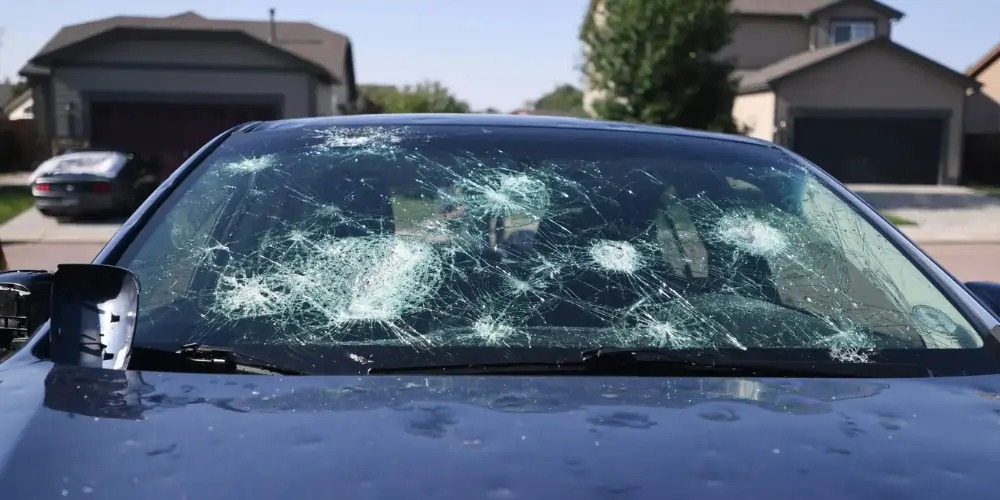
Driving a rental car is a significant responsibility. You are essentially taking temporary ownership of an asset worth tens of thousands of dollars. While we all plan for a safe journey, accidents, theft, and natural damage (like hail or falling branches) are realities of the road.
Having the right insurance coverage does two things:
- Protects Your Finances: It ensures that a minor mistake doesn’t turn into a major financial burden that could last for years.
- Reduces Stress: Knowing that you are covered allows you to focus on your vacation or your business meetings rather than worrying about every pebble that hits the windshield.

1. Collision Damage Waiver (CDW) and Loss Damage Waiver (LDW)
While often grouped under the “insurance” umbrella, a Collision Damage Waiver is technically a “waiver.” By paying for this, you are paying the rental company to waive their right to charge you for damage to the vehicle.
What It Covers
The CDW usually covers the cost of repairs to the rental vehicle if you are involved in an accident. The Loss Damage Waiver (LDW) goes a step further and typically includes protection against the theft of the vehicle. If the car is stolen or totaled, the waiver ensures you are not held liable for the full replacement value of the car.
Why It Matters
Without this coverage, you could be responsible for “Loss of Use” fees. This is the money the rental company loses while the car is in the shop being repaired and cannot be rented to someone else. Many personal insurance policies do not cover “Loss of Use,” making the CDW a very attractive option for those who want zero risk.
2. Supplemental Liability Insurance (SLI)
Liability is perhaps the most critical part of insurance coverage. While CDW protects the car you are driving, Liability protects you from the costs associated with damage you cause to others.
Coverage for Third Parties
If you are at fault in an accident and damage another person’s car, a building, or—most seriously—cause injury to another person, you are legally responsible for those costs. Supplemental Liability Insurance increases the amount of protection you have, often reaching very high limits.
Protecting Your Personal Assets
In the event of a major lawsuit resulting from a road accident, your personal savings and assets could be at risk. SLI acts as a shield, ensuring that the insurance company handles the legal claims and payouts so that your personal life remains unaffected.
3. Personal Accident Insurance (PAI)
While the car and other people are covered by the options above, you and your passengers also need protection.
Medical Expenses
Personal Accident Insurance provides coverage for medical costs for you and your passengers if you are injured while inside the rental vehicle. This can include ambulance fees, emergency room visits, and follow-up care.
Death Benefits
In the most tragic circumstances, PAI also includes a death benefit for the driver and passengers. For many travelers who already have comprehensive health insurance or life insurance, this might seem redundant, but it is an extra layer of security that pays out regardless of other policies you may hold.

4. Personal Effects Coverage (PEC)
Have you ever thought about what happens if your luggage, laptop, or camera is stolen from your rental car?
Protection for Your Belongings
Standard car insurance usually only covers the vehicle itself, not the items inside. Personal Effects Coverage (PEC) is designed specifically to protect your personal property while it is in the car.
Ideal for Road Trips
If you are on a long road trip and carrying expensive electronics or several suitcases, PEC is a wise investment. Theft from vehicles is a common occurrence in many tourist destinations, and having this insurance coverage ensures you can replace your gear without a heavy financial hit.
5. Checking Your Existing Coverage
Before you spend money at the rental counter, it is vital to do your homework. You might already be more protected than you think.
Your Personal Auto Insurance
If you own a car and have a comprehensive insurance policy, it often extends to rental cars used for personal (non-business) travel. However, there are often limits. For example, your personal policy might only cover the “actual cash value” of the car and not the “administrative fees” or “loss of use” charged by the rental agency.
Credit Card Benefits
Many premium credit cards offer “Secondary” or even “Primary” rental car insurance.
- Secondary Coverage: This kicks in only after your personal insurance has paid its limit.
- Primary Coverage: This pays out first, meaning you don’t even have to involve your personal insurance company, which keeps your long-term premiums from rising after a claim.
6. Common Exclusions and Pitfalls
Not all insurance coverage is created equal. There are several situations where your coverage might be voided.
Unauthorized Drivers
If you let a friend or family member drive the car and they are not listed on the rental agreement, any insurance you purchased is usually voided immediately. If an accident happens, you will be 100% liable for all costs.
Off-Roading and Prohibited Roads
Most rental agreements strictly forbid taking the car “off-road.” Even if you have an SUV, driving on unpaved trails or “prohibited” roads (often mentioned in the fine print) can cancel your coverage.
Driving Under the Influence
It goes without saying, but any illegal activity, including driving under the influence of alcohol or controlled substances, will immediately void every type of insurance coverage you have purchased.
7. How to Choose the Right Coverage for Your Trip
Deciding on the right level of protection depends on your “risk tolerance” and your existing policies.
- The “Peace of Mind” Traveler: If you want to drop off the keys and walk away no matter what happens, purchasing the full bundle (CDW, SLI, PAI, PEC) from the rental agency is the best route.
- The “Budget” Traveler: If you have great personal insurance and a high-end credit card, you might only need to purchase the Supplemental Liability to ensure you have the highest possible limits of protection.
- The International Traveler: When renting in a foreign country, your domestic insurance almost never follows you. In these cases, purchasing local insurance coverage is not just recommended—it is often essential.
Summary of Insurance Coverage
Navigating insurance coverage for a rental car doesn’t have to be a headache. The key is to understand that there are four main pillars: protecting the car (CDW), protecting others (Liability), protecting your body (Personal Accident), and protecting your stuff (Personal Effects). By reviewing your own car insurance and credit card benefits before you arrive at the counter, you can avoid paying for unnecessary extras while ensuring you aren’t left vulnerable to massive legal or repair costs. Always read the rental agreement, list all your drivers, and stay on paved roads to keep your coverage valid.
Frequently Asked Questions (FAQs)
Does my insurance cover hail damage?
Most comprehensive insurance policies cover hail damage. Review your policy details or contact your insurer to confirm your coverage.
Will filing a hail damage claim increase my insurance premiums?
Hail damage is typically considered an act of nature, so a single claim may not significantly impact your premiums. However, frequent claims or a history of claims can influence your rates.
How do I document hail damage for an insurance claim?
Take clear photos and videos of all damage, record the date and time of the storm, gather weather reports, and keep any receipts for immediate repairs.
What steps should I take to file a hail damage claim?
Contact your insurance provider, schedule an inspection, get repair estimates, and submit your claim with all necessary documentation.
What should I know about my deductible for hail damage?
Your deductible is the amount you pay out of pocket before your insurance covers the rest. Know this amount and consider it when deciding whether to file a claim.
Can I get a rental car while my vehicle is being repaired for hail damage?
Check your insurance policy for rental car coverage. Many comprehensive policies include this benefit, ensuring you have transportation while your car is in the shop.
Does credit card insurance cover luxury cars or vans?
Most credit cards have “exclusions” for high-end luxury vehicles, large passenger vans, and exotic cars. Always check the terms of your specific card before renting a specialty vehicle.