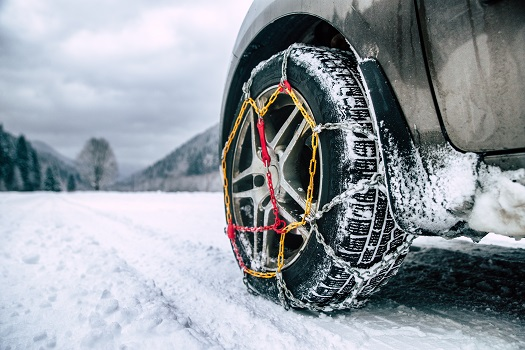
This detailed guide explores the essential role of a Car Rental With Snow Tires for anyone traveling through the diverse landscapes of Western Canada during the colder months. We provide an in-depth analysis of why winter-specific tires are a mechanical necessity for navigating snow, ice, and slush, far surpassing the capabilities of standard all-season tires. You will learn about the strict legal requirements in British Columbia and the strong recommendations in Alberta, ensuring your trip remains compliant with local laws.
We also offer expert advice on how to identify genuine winter tires using the Three-Peak Mountain Snowflake symbol, how to handle a vehicle on slippery mountain passes, and why choosing a rental with these tires is the most effective way to protect your insurance and your passengers. Whether you are heading to the world-class ski hills of Whistler or commuting through the winter streets of Calgary, this blog provides the expert knowledge to help you drive with total confidence and safety.
Table of Contents
Introduction: Why Winter Tires are a Necessity, Not an Option
In the Pacific Northwest and the Canadian Rockies, winter is not just a season; it is a serious driving challenge. When temperatures drop below 7°C (45°F), the rubber in standard tires begins to harden, losing its ability to grip the road effectively. This is why securing a Car Rental With Snow Tires is one of the most important decisions you can make for your trip.
At Mr Rent a Car, we prioritize your safety above all else. We know that a beautiful drive from Vancouver to the interior can quickly become a stressful experience if your vehicle isn’t equipped for the conditions. In this guide, we will break down the science of winter tires, the legal rules you must follow, and the practical steps to ensure your rental is ready for the road.
1. The Science of Safety: Winter Tires vs. All-Seasons
Many drivers believe that “All-Season” tires are sufficient for all types of weather. However, in the context of a Canadian winter, this is a dangerous misconception.
The Flexible Rubber Compound
The biggest difference lies in the chemistry of the tire. Winter tires are made with a specialized, softer rubber compound. While standard tires become stiff and “plastic-like” in the cold, winter tires remain pliable. This flexibility allows the tire to “wrap” around the microscopic imperfections of the road, providing the traction needed to move forward and, more importantly, to stop.
Aggressive Tread Patterns
Look closely at a winter tire, and you will see deep, jagged grooves and hundreds of tiny slits called sipes. These sipes act like thousands of tiny “fingers” that bite into ice and snow. They are also designed to channel slush and water away from the tire’s surface, preventing a dangerous phenomenon known as hydroplaning, where the car slides on a thin layer of water.
Improved Braking Distances
Research consistently shows that vehicles equipped with dedicated snow tires can stop up to 30% faster on icy roads than those with all-seasons. In an emergency situation, those few extra meters can be the difference between a safe stop and a collision.

2. Legal Requirements: Navigating the Laws of BC and Alberta
When you book a Car Rental With Snow Tires, you aren’t just buying safety; you are ensuring you stay on the right side of the law.
British Columbia’s Highway Mandate
In BC, winter tires or chains are legally required on most highways from October 1 to April 30. This includes major routes like the Sea-to-Sky Highway (towards Whistler), the Coquihalla, and the Trans-Canada Highway.
- The Symbol to Look For: A legal winter tire in BC must have either the M+S (Mud and Snow) marking or, even better, the Three-Peak Mountain Snowflake symbol.
- The Penalty: Driving without these tires on designated routes can result in fines and being turned around by the authorities. More importantly, if you are in an accident without the required tires, your insurance claim could be denied.
Alberta’s Recommendations
While Alberta does not currently have a province-wide mandate for winter tires, they are highly recommended by the government for all mountain travel. If you are renting a car in Calgary with plans to visit Banff, Canmore, or Jasper, having winter tires is considered a “best practice” for both safety and navigating the steep, icy inclines of the Rockies.
3. How to Verify Your Rental is Winter-Ready
Don’t leave your safety to chance. When you arrive to pick up your Car Rental With Snow Tires, use this quick checklist to ensure the vehicle is prepared.
Total Time Needed: 5 Minutes Tools Required: Your eyes and a quick check of the sidewall.
Step 1: Check the Sidewall Symbols
Look for the Three-Peak Mountain Snowflake symbol on the side of the tire. This icon indicates that the tire has passed specific performance tests for severe snow conditions. While “M+S” is the legal minimum in many areas, the snowflake symbol represents the highest standard of winter safety.
Step 2: Measure the Tread Depth
In British Columbia, the law requires a minimum tread depth of 3.5 mm. A quick way to check is to look for the “wear bars” inside the grooves. At Mr Rent a Car, we ensure our winter fleet far exceeds the minimum requirements, providing you with maximum “bite” on the snow.
Step 3: Inspect for All Four Tires
Some people mistakenly believe you only need winter tires on the “drive wheels” (the wheels that get power from the engine). This is incorrect. You must have winter tires on all four wheels to maintain balanced traction and prevent the back of the car from “fishtailing” during a turn.
4. Winter Driving Tips for the Pacific Northwest
Even with the best equipment, winter driving requires a different mindset. Follow these simple rules for a successful journey.
- Increase Your Following Distance: On dry roads, a two-second gap is standard. On snow or ice, you should increase this to six to ten seconds. It takes much longer to slow down when the surface is slippery.
- Smooth Movements: Avoid sudden braking or sharp turns. Apply the gas and the brakes gently. If you feel the car start to skid, look where you want to go and steer gently in that direction.
- The “Shift” Technique: If you are driving a vehicle with a manual mode or low gears, use them to slow down when going downhill. This uses the engine’s compression to reduce speed rather than relying solely on the brakes, which can cause sliding.
- Stay Informed: Before heading out, check DriveBC or 511 Alberta for real-time road conditions, closures, and weather warnings.
5. Why Choose Mr Rent a Car for Your Winter Adventure?
We understand the unique challenges of driving in Western Canada because we live here.
- Winter-Prepped Fleet: We transition our fleet early to ensure our vehicles are ready before the first snowfall hits the mountain passes.
- Expert Advice: Our local staff can provide tips on which routes are best for your specific vehicle and current weather patterns.
- No Hidden Fees: When you book a Car Rental With Snow Tires with us, we are transparent about our winter equipment and ensure you have the peace of mind you deserve.
6. Summary
A Car Rental With Snow Tires is the single most important safety feature you can choose for a winter trip to British Columbia or Alberta. These specialized tires provide the flexible rubber and aggressive grip needed to handle freezing temperatures, ice, and deep snow. By following the legal mandates in BC and the expert recommendations in Alberta, you protect yourself from fines, insurance complications, and—most importantly—accidents. Remember to always verify the snowflake symbol on your tires, drive with a “light foot,” and increase your stopping distance. With the right equipment and a cautious approach, the snowy landscapes of the West Coast can be a beautiful and safe backdrop for your travel memories.
Frequently Asked Questions (FAQs)
Are snow tires the same as all-weather tires?
No. While all-weather tires are better than all-seasons and often carry the snowflake symbol, dedicated winter tires are still superior in extreme cold and deep snow. They use a softer rubber that provides even better grip when the temperature is well below freezing.
Do I need winter tires if I rent an All-Wheel Drive (AWD) vehicle?
Yes. AWD helps you “go,” but it does not help you “stop” or “turn” on ice. A Two-Wheel Drive (2WD) car with winter tires will often outperform an AWD vehicle with all-season tires when it comes to braking safely in winter conditions.
Is there a specific date I must have winter tires in BC?
Yes. For most highways, the legal requirement is from October 1 to April 30. Some lower-elevation routes end on March 31, but if you are heading into the mountains, you should plan for the full April duration.
Can I just use snow chains instead?
In BC, passenger vehicles are permitted to use chains, but they are difficult to install and can only be used at very low speeds on heavy snow. Winter tires are much more practical and safer for general highway driving.
Does having winter tires cost more?
At many companies, there is a small “Winter Tire Fee” during the season. However, this is a very low price to pay for the safety and insurance protection it provides. At Mr Rent a Car, we aim to keep our winter-ready fleet as affordable as possible.