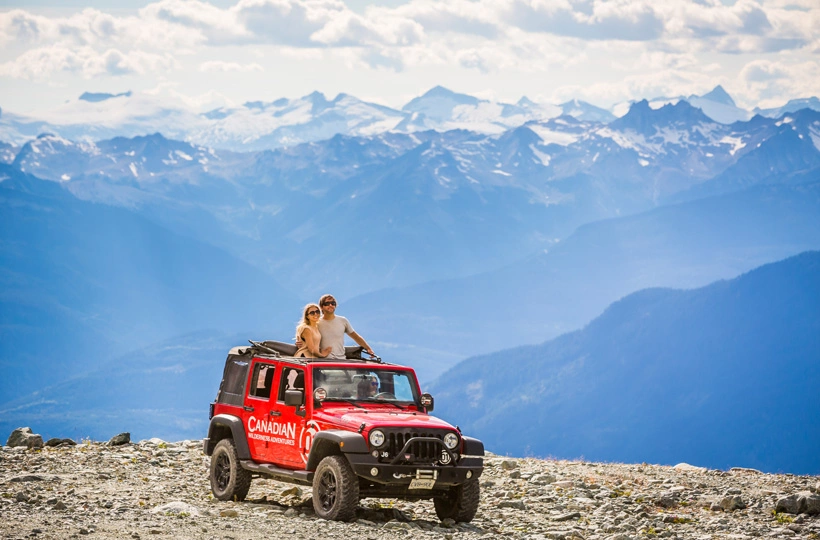
Car Rental 4×4
Planning a road trip through the mountains or rough terrain? A standard sedan just won’t cut it. When the weather gets unpredictable, you need a car that can handle the mud, snow, and steep hills without breaking a sweat. That’s exactly where a Car rental 4×4 comes in. It gives you the grip and power you need to drive with total confidence, no matter how tough the road gets.
Getting a good four-wheel-drive vehicle changes your entire trip. You don’t have to stress about getting stuck in the middle of nowhere or slipping on wet mountain roads. Instead, you get the freedom to explore remote places safely. But before you book your vehicle at Mr. Rent A Car, you should know how these systems work, how to get the best deals, and how to avoid extra costs. This guide will show you everything you need to know.
Table of Contents
1. Drivetrain Architecture Decoded: Four-Wheel Drive vs. All-Wheel Drive
Many people think that All-Wheel Drive (AWD) and Four-Wheel Drive (4×4) are the exact same thing. They both turn all four wheels, but they do it very differently. An AWD system is automatic. The car’s computer decides which wheel needs power when it rains or snows on regular city roads. You don’t have to press any buttons.
A real 4×4 system is much more heavy-duty. It lets the driver lock the front and rear wheels together manually. This means all wheels spin at the exact same speed, giving you maximum power. It is perfect for deep mud, unplowed snow, and steep gravel roads in the wild.
Knowing the difference helps you pick the right vehicle for your trip. If you are just staying on rainy highway roads, an AWD SUV is fine. But if you are heading deep into nature or climbing steep mountain passes during a storm, you need a real four-wheel-drive system to stay safe. Mr. Rent A Car helps you pick the perfect vehicle class so you don’t end up with the wrong setup.
2. Navigating the Variable Mountain Weather and Roads of British Columbia
Driving around British Columbia is beautiful, but the roads can surprise you. Highways like the Sea-to-Sky or the Coquihalla change fast. You could start your drive in a sunny coastal valley and find yourself in a heavy snowstorm at the top of the mountain just an hour later.
Because the weather changes so quickly, local highway authorities have strict rules. From October to April, you legally must have proper winter-rated tires to drive on mountain highways. If your vehicle doesn’t have the right tread depth, you can face big fines. A strong utility vehicle gives you the ground clearance and tire grip needed to clear ice chunks and slush safely.
Going down steep hills also requires some skill. If you ride your brakes the whole way down, they will overheat and fail. With a four-wheel-drive vehicle, you can shift into a lower gear manually. This lets the engine slow the car down naturally. It keeps your brakes cool, saves your tires, and gives you much better steering control on slippery curves.
3. The Financial Breakdown: Daily Rates, Weekly Discounts, and Smart Savings
Getting a great utility vehicle doesn’t mean you have to spend a fortune. You just need to understand how rental companies price their vehicles. Yes, a big 4×4 costs a bit more per day than a tiny compact car because it is a larger, more expensive vehicle to maintain. But you can easily lower the cost with a few smart moves.
If you need the car for more than a few days, avoid booking day-by-day. Booking a full week or a monthly block automatically unlocks much lower daily rates. Long-term packages are the best way to keep your trip affordable.
Another great tip is to look for neighborhood pickup spots instead of the main airport counters. Airport locations have to pay heavy concession fees to the airport authority, and they pass those costs down to you. Picking up your vehicle from a nearby city depot can save you up to thirty percent on your total bill.

4. Selecting Your Ideal Fleet Match: Mid-Size Utility vs. Full-Size Muscle
You want to make sure your vehicle matches your group size and your driving conditions. A mid-size utility SUV is perfect for couples or small families with normal luggage. These models are great because they give you the ground clearance and all-weather traction you need, but they are still easy to park and don’t burn too much fuel on the highway.
If you are traveling with a large group, a corporate crew, or lots of heavy outdoor gear, go for a full-size truck or a large premium SUV. These vehicles have massive cargo spaces and highly powerful engines. They can carry heavy loads easily and handle rough, unpaved gravel roads without feeling bumpy. Everyone gets plenty of legroom, and the ride stays incredibly smooth.
5. Eliminating Extra Costs: Insurance Optimization and Transparent Policies
The easiest way to blow your budget is to buy duplicate insurance at the counter. Frontline agents will always try to sell you their daily collision damage waivers. These protections can add an extra twenty to forty dollars a day to your bill, which adds up fast on a long trip.
| REDUNDANT INSURANCE CHECKLIST |
| [✓] Verify Personal Premium Credit Card Structural Policy |
| [✓] Confirm Existing Personal Auto Insurance Transferability |
| [✓] Review Corporate Non-Owned Vehicle Liability Clauses |
Before you show up to get your keys, check your premium credit card benefits. Many high-end credit cards cover rental car collision damage for free, as long as you pay for the full rental with that card. Also, check your personal car insurance policy, as it might transfer to your rental vehicle too. Checking this early lets you say no to expensive counter add-ons safely.
6. Meticulous Checkout Protocols: Securing Your Assets Prior to Departure
When you rent a large vehicle built for rough roads, you must do a proper inspection before you drive off. Because these vehicles go to remote places, they often get minor stone chips or scratches from loose gravel that are hard to see at first glance.
Take five minutes to look over the car with the representative. Check the bumpers, the lower body panels, the tires, and the windshield glass. Make sure the agent writes down every single pre-existing scratch or mark on your digital contract. It is also a smart idea to take a quick, time-stamped video of the whole car. This video is your insurance that protects your security deposit from old damages.
7. Maximizing Fuel Efficiency and Mechanical Longevity on Winding Routes
Big utility vehicles are heavier and use more fuel than a small compact car. However, you can save a lot of gas by driving smartly. Avoid slamming on the gas pedal and use cruise control when you are on flat, open highway stretches. Keeping a steady speed is the easiest way to save money at the pump.
Also, remember to only turn on the manual 4×4 lock when you are actually on loose or slippery ground. If you drive with a locked drivetrain on dry, hard asphalt, you can damage the vehicle’s transmission axles and differentials. Turning the system off when you get back on clean pavement protects the gears, saves fuel, and keeps your steering feeling completely smooth.
Step-by-Step Guide: How to Properly Set Up a Monthly Rental Contract
Renting a car for a few weeks or months is different from a quick weekend pickup. Follow this simple, step-by-step checklist to make sure your long-term setup is safe, legal, and pocket-friendly.
Step 1: Set Up Your Dates Online to Unlock Discounts
Go to the online booking tool, type in your location, and pick a return date that is at least 30 days out. Most booking sites automatically drop their prices the moment your search covers 28 to 30 consecutive days. If you need the vehicle for three months, setting up a rolling 30-day plan is the best way to keep your credit card limits clear.
Step 2: Double-Check the Mileage Allowance
Some long-term deals come with strict mileage limits to protect the car from extra wear and tear. Read the fine print carefully. If you have a long highway commute every day, look for options that offer unlimited mileage. If you are limited to 2,500 kilometers a month, track your daily driving so you do not face big extra fees at the end.
Step 3: Pick the Right Vehicle Class for Your Trip
Since you will be driving this car for months, comfort and gas mileage matter a lot. If you are mostly driving in the city and parking in tight spots, choose an Economy Compact Sedan to save money on fuel. If you are facing a rough Canadian winter or driving through mountain roads, upgrade to an All-Wheel Drive (AWD) SUV for extra safety.
Step 4: Talk to Your Bank About Credit Card Holds
When you sign your monthly contract, the counter team will place a security hold on your credit card. This deposit protects the vehicle while you have it. Call your bank before you arrive to check your available credit. Make sure your card can easily handle the monthly rental fee plus the standard security deposit without maxing out.
Step 5: Do a Quick Walkaround and Video Inspection
Do not rush through the pickup process. Since you are keeping the car for a while, any old scratches or marks could mistakenly be blamed on you when you bring it back. Walk around the vehicle with the agent, make sure they note down every single scratch on the paperwork, and take a quick video of the car on your phone before leaving.
Drive Safely and Smoothly with Total Confidence
Choosing the right utility vehicle makes your road trip smooth, safe, and completely stress-free. By picking a drivetrain that can handle changing weather systems and rough backcountry roads, you keep your passengers safe and your travel plans on track. Working with a local expert like Mr. Rent A Car ensures you get a clean, fully inspected vehicle with honest contract terms and 24/7 emergency roadside support.
Take a few minutes to plan your trip duration, check your credit card insurance, and look for local neighborhood pickup spots to get the best possible rates. Your next big road trip deserves a vehicle that won’t let you down when the road gets tough. Pick the right size for your group, pack your bags, lock in your extended discounts, and enjoy the open road with total freedom.
Frequently Asked Questions (FAQs)
Can I pick up a four-wheel-drive vehicle at the airport and drop it off at a different city location?
Yes, you can absolutely book a one-way rental across our regional branches. Just make sure to select your exact drop-off spot when you book online so our team can plan ahead. Depending on the route, a one-way drop-off fee may apply to help cover the cost of driving the vehicle back to its main home lot.
Are there any hidden cleaning surcharges for taking a utility vehicle onto gravel backcountry roads?
We expect our vehicles to get normal road dust, light mud, or rain spots, and we never charge extra for that. However, if the car comes back with deep interior stains, excessive mud cakes on the seats, or heavy undercarriage debris that requires professional deep-cleaning tools, a detailing fee will apply. A quick stop at a local wash bay before returning the car avoids this easily.
How does the security deposit pre-authorization process work on large utility models?
When you sign your contract at the counter, we place a temporary pre-authorization hold on your credit card. This hold covers the total cost of your rental plus a fixed security deposit amount. The money isn’t actually taken out of your account; it is just frozen as a guarantee and is released completely the moment you return the vehicle in good condition.
Do your four-wheel-drive rental vehicles come equipped with legal winter-rated tires?
Yes, all of our vehicles designated for mountain routes or winter travel come with high-quality, legally compliant tires. Our maintenance teams check the tread depth on every vehicle before it leaves the lot to make sure it easily meets local highway safety rules, giving you excellent grip on slippery passes.
What should I do if an unexpected mechanical warning light illuminates on the dashboard?
If a warning light or tire pressure icon comes on, pull over safely onto the side of the road and call our 24/7 roadside assistance line right away. Please do not keep driving with a severe warning light on. Our team will help you find the nearest service station or bring a replacement vehicle directly to you.
Are secondary drivers allowed to operate the vehicle under a standard monthly contract?
Yes, other people can drive the vehicle as long as they meet our standard age limits and have a valid driver’s license. To keep your insurance fully active, any extra driver must come to the rental counter with you during pickup so we can check their license and add them to the official agreement.
Is there an additional daily fee for drivers who are under twenty-five years of age?
Yes, standard auto insurance rules require a local young driver surcharge for operators between twenty-one and twenty-four years old. This extra fee covers the higher insurance costs for younger age brackets. Also, some of our largest premium SUVs or heavy-duty trucks are restricted to drivers aged twenty-five and older.
Can I travel across international borders into the United States with my rental vehicle?
Yes, you can drive our vehicles into the United States. Just tell the counter agent during pickup so they can give you a Canadian non-resident insurance card. This paper is a legal requirement that shows US border customs that your insurance is fully valid while you are driving in the States.
What happens if I accidentally return the utility vehicle with a partially empty fuel tank?
We always give you the vehicle with a completely full tank of gas, and we ask that you bring it back the same way. If you are rushing and cannot stop at a gas station before drop-off, we will charge a refueling service fee per liter to top off the tank, which is billed to your card.
Can I extend my rental contract timeline while the vehicle is already out on the road?
Yes, extending your rental is very simple. Just call or email your local branch before your scheduled return time. As long as another customer hasn’t already reserved the vehicle, our team will gladly extend your booking at our current competitive rates without making you drive back to the office.