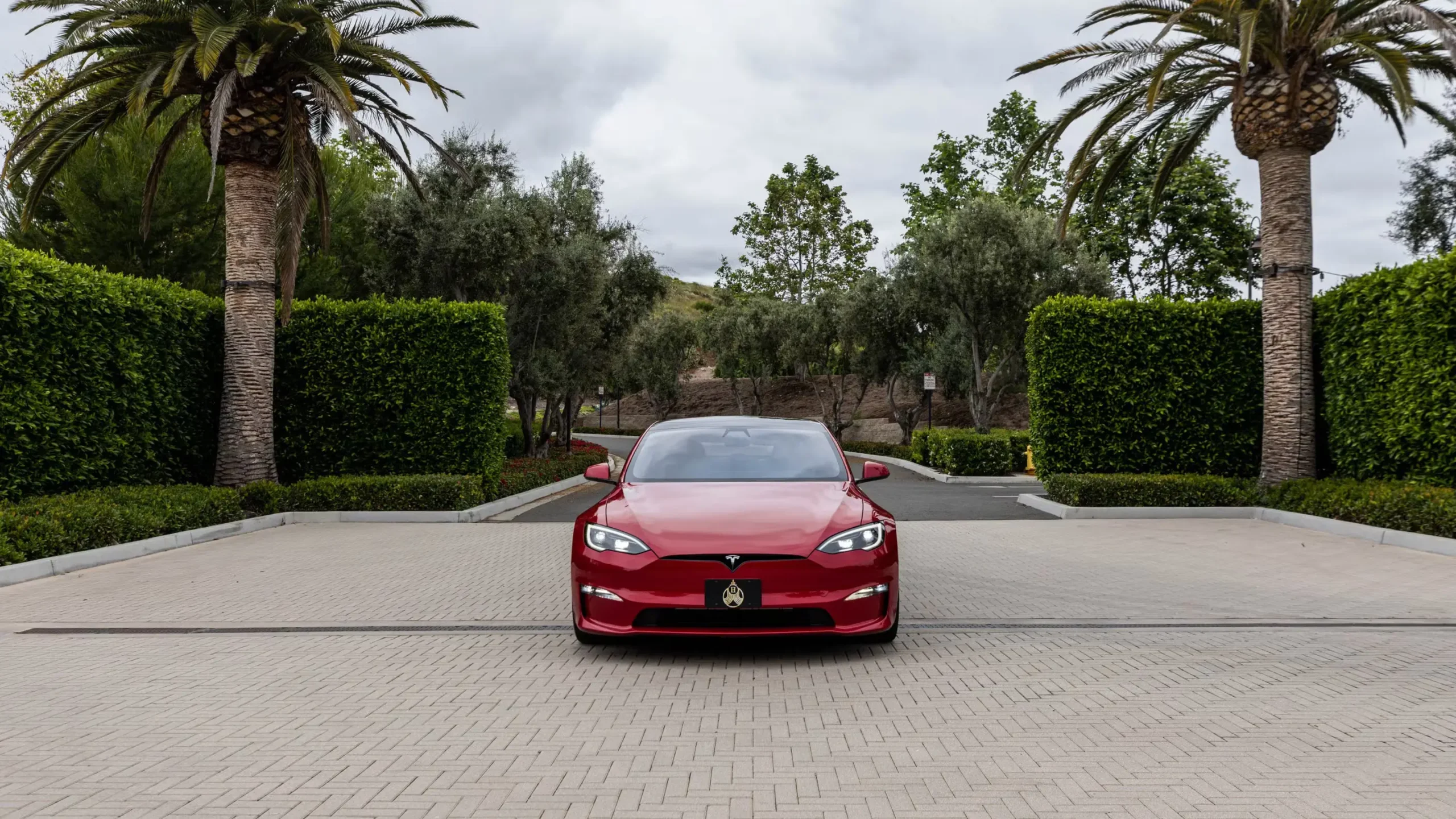
This comprehensive guide serves as your professional handbook for navigating the vehicle market when securing a Car Rental Burnaby service. Positioned directly next to Vancouver, Burnaby is a bustling city featuring immense commercial districts like Metrotown, spectacular parks like Burnaby Mountain, and major institutional hubs like Simon Fraser University.
Whether you are an international traveler stepping off a long flight, a business executive commuting to local corporate towers, or an outdoor enthusiast preparing for a road trip, this blog covers every critical detail. You will learn the financial advantages of selecting neighborhood providers to maximize your budget, how to pick the right vehicle category for the unique West Coast terrain, and how to decode insurance frameworks like Collision Damage Waivers in plain, simple English.
We also provide a professional step-by-step vehicle inspection routine to safeguard your security deposit, local driving regulations for British Columbia, and essential tips for smooth fuel and toll management. Read on to master the local rental process and embark on your journey with absolute peace of mind.
Table of Contents
Introduction: Why Having a Vehicle Unlocks the Best of Burnaby
Burnaby, British Columbia, is a breathtaking city located right in the geographic center of the Metro Vancouver area. It serves as a beautiful bridge between the coastal urban energy of downtown Vancouver and the expanding suburban communities further east. Known for its incredible cultural diversity, thriving tech sectors, and vast green spaces, Burnaby attracts a steady stream of business professionals, academic researchers, and leisure travelers throughout the year.
When mapping out an itinerary for this central hub, organizing a reliable vehicle is often the single most important step to ensure your travel plans succeed.
While the region features an excellent public rapid transit network like the SkyTrain system, relying solely on public transportation presents geographical limitations. Burnaby is structured around distinct town centers and elevated terrain. If you need to attend corporate meetings in the Willingdon Business Park, commute up the steep grades of Burnaby Mountain to Simon Fraser University, shop at the massive Metropolis at Metrotown mall, or view the scenic waters of Deer Lake Park, a private vehicle is a mechanical necessity.
Having your own car gives you complete, uninterrupted control over your schedule, helps you avoid the premium costs of multiple taxi fares, and provides a safe, private compartment to store your luggage and sports gear as you navigate the changing West Coast weather.
At Mr Rent a Car, we are dedicated to helping drivers enjoy a seamless transition from their initial booking to the open highway. With convenient regional locations serving the community, we understand the specific layout of the Lower Mainland. We know that renting a vehicle can sometimes feel confusing due to complex terminology and unexpected fee structures.
That is why we have created this extensive, straightforward guide. Written in plain, simple English, this resource is designed to share local knowledge so you can choose the right car for your budget and drive across Burnaby with complete peace of mind.
1. Defining a Premium Vehicle Rental Experience
When you begin researching cars online, it is easy to get distracted by budget portals showing incredibly low baseline prices. However, a true quality vehicle experience is a package built on structural safety, honest contract terms, and accessible local support.
Complete Fleet Maintenance and Safety Standards
A top-tier rental provider never cuts corners on vehicle health. Every sedan, SUV, crossover, and minivan must undergo a rigorous multi-point safety inspection before the keys are handed over to a new driver. This routine involves checking all engine fluid levels, testing brake pad thickness, verifying battery life, and ensuring the tires have deep tread depth and correct air pressure. In British Columbia, where a single afternoon drive can take you from rainy sea-level streets to snow-dusted mountain passes, driving a professionally maintained vehicle is an absolute safety requirement.
Upfront, Honest Pricing Structures
There is nothing worse than reserving a vehicle online, only to see the total cost double at the customer service counter due to unexpected fees. A trustworthy rental service believes in complete transparency. Your quote should clearly itemize the daily base rate, local provincial sales taxes, federal goods and services taxes, environmental levies, and any optional protection waivers you selected. When your final invoice matches your initial expectations, it establishes a solid foundation of real trust.
Accessible, Local Human Support
Modern travel can be highly unpredictable. Flights get delayed by coastal weather, corporate meetings run later than expected, and holiday itineraries change at a moment’s notice. Working with a company that offers accessible, local customer service makes a massive difference. Instead of waiting on hold for an automated global call center located in another country, you should be able to speak directly with a local expert who understands the regional geography and can modify your booking instantly.
2. Strategic Location Choices: Terminal vs. Neighborhood Pickup
When planning your trip, travelers face a strategic choice regarding where to collect their vehicle: should you pick it up directly at the airport terminal counter or head straight to a neighborhood city branch?
Understanding Premium Terminal Fees
Collecting a vehicle directly at an airport terminal counter feels highly convenient after a long flight. However, that immediate convenience comes with a noticeable financial cost. Airport authorities levy substantial concession fees, terminal space taxes, and facility maintenance fees on every vehicle rented on airport grounds. To maintain profitability, rental companies pass these charges directly to you on your final contract, which can increase your total daily cost.
The Neighborhood Branch Advantage
For smart travelers, picking up your vehicle at a dedicated neighborhood office within Burnaby is a highly effective way to maximize your budget. By taking an airport shuttle or utilizing the local SkyTrain transit system to travel from the airport directly to a city branch, you completely avoid terminal-specific concession fees.
Because neighborhood offices feature lower operational overhead, they can offer highly competitive daily rates, more flexible contract terms, and lower costs on essential travel items like navigation units or child safety seats.

3. Selecting the Ideal Vehicle Category for Burnaby’s Geography
Burnaby features a unique combination of high-density urban shopping districts, multi-lane commuter highways, and steep hills. Selecting a vehicle class tailored to your specific itinerary ensures a safe and comfortable ride.
Economy and Compact Sedans
If your travel plans are heavily focused on urban areas—such as finding parking near Metrotown, driving through Highgate, or navigating local city streets—a compact car is an outstanding choice. These models offer excellent fuel efficiency, helping you minimize your expenses at the gas pump. They are also incredibly easy to steer through busy city traffic and fit smoothly into the tighter parking stalls found in busy public parkades.
Mid-Size and Full-Size Sedans
For business travelers driving daily along the Trans-Canada Highway (Highway 1) or commuting between Burnaby and nearby cities like Vancouver, Surrey, or Richmond, a full-size sedan offers a significant upgrade in comfort. The longer wheelbase provides a much smoother, quieter ride at highway speeds, while the spacious trunk offers secure, out-of-sight storage for multiple suitcases or corporate display materials.
SUVs and All-Wheel-Drive (AWD) Crossovers
If you plan to drive up the steep roads of Burnaby Mountain to visit the Simon Fraser University campus, or if you want to explore regional parks like Belcarra or the North Shore mountains, an SUV is highly recommended. The elevated seating position gives the driver superior visibility, while the added ground clearance and advanced all-wheel-drive systems offer crucial traction and stability during heavy Pacific Northwest rainstorms or unexpected winter flurries.
Minivans and Multi-Passenger Vans
For family vacations, group travel, or corporate teams moving together, a minivan is the ultimate solution for group logistics. These vehicles feature dual sliding doors for rapid entry and exit, flexible seating arrangements, and a deep rear cargo area that easily handles suitcases, strollers, or outdoor sporting gear. Keeping your entire group in a single vehicle cuts your fuel costs down and turns the commute into a shared experience.
4. Decoding Rental Vehicle Insurance in Simple English
Insurance terminology can often seem confusing when looking over a vehicle rental contract. Understanding what these terms mean before you arrive at the check-in desk allows you to make an informed choice without feeling rushed or pressured.
Third-Party Liability Coverage
This is the most fundamental layer of vehicle protection, and it is strictly required by provincial law across Canada. Third-party liability covers damage you accidentally cause to other people, their vehicles, or public property while operating the rental car. If you are involved in a collision with another motorist, this coverage handles their vehicle repair costs and medical expenses. Professional rental operations include the legally required provincial minimum of this coverage within their baseline pricing so that the vehicle is completely legal to operate on public roads.
Collision Damage Waiver (CDW) / Loss Damage Waiver (LDW)
It is important to understand that a CDW is not an insurance policy. Instead, it is a contractual agreement where the rental agency agrees to waive or give up its legal right to make you pay for the cost of repairing or replacing the rental vehicle if it is damaged, vandalized, or stolen during your trip.
- The Deductible Amount: When you purchase a standard CDW, your financial exposure is capped at a set, pre-determined amount known as the deductible or excess. If the vehicle requires major bodywork after an incident, you are only responsible for paying that fixed deductible, and the company takes care of the remainder.
- Zero-Deductible Upgrades: For complete peace of mind, many international travelers select a premium protection package that reduces the deductible to zero. This means that if the car suffers a scratch, paint chip, or dent during your journey, you can return the keys without facing any out-of-pocket repair bills.
Analyzing Personal Auto Insurance and Credit Card Benefits
Many drivers carry premium credit cards or personal car insurance policies at home that offer rental car protection. While relying on these existing benefits can save you from purchasing daily add-ons, you must verify the details before you pick up the car:
- Contact Your Provider Directly: Call your credit card company or insurance broker before your departure date and ask explicitly if their policy extends to a commercial rental vehicle in British Columbia.
- Review Class Restrictions: Be aware that many standard credit card insurance policies completely exclude luxury sport models, large passenger vans, or full-size SUVs from their coverage lists.
- Understand the Claims Journey: Keep in mind that credit card rental coverage is typically “secondary.” If the vehicle is damaged, you will usually need to pay the rental agency for the repairs out of your own pocket immediately, and then go through the administrative process of submitting invoices and paperwork to your credit card company for reimbursement. Choosing the rental agency’s direct waiver avoids this stress, as any claims are managed internally from day one.
5. The Step-by-Step Vehicle Inspection Routine
No matter what vehicle category you choose for your reservation, you should always perform a thorough, five-minute physical check of the vehicle before driving out of the lot. This simple process serves as an official record, protecting your security deposit from being charged for pre-existing wear and tear.
Step 1: Document with a Continuous Video
Before loading your luggage into the trunk, pull out your smartphone and turn on the video camera. Start at the front driver’s side corner and slowly walk a complete circle around the entire vehicle. Keep your camera lens focused on the lower sections of the body panels, the undersides of the bumpers, and the condition of the wheels, as these are the most common areas for minor scratches from gravel or curbs.
Step 2: Examine the Front Windshield and Windows
Slowly look over the front windshield to check for any tiny stone chips, pits, or hairline cracks. Because highway maintenance crews use small gravel for winter traction, highway stones can occasionally chip vehicle glass. If you spot even a microscopic chip, point it out to the rental agent so it can be added to your digital contract file before you exit the lot. This prevents a minor pre-existing chip from turning into a large crack during a temperature shift and being attributed to your rental.
Step 3: Test Crucial Interior Features
Sit in the driver’s seat and familiarize yourself with the vehicle’s control layout. Turn on the windshield wipers to ensure they wipe clearly, and test the climate control system to make sure both the air conditioning and the cabin heater function properly. If you are navigating via your smartphone, plug your charging cable into the dashboard USB port to verify that it provides power and connects smoothly to the vehicle’s display screen.
Step 4: Record the Dashboard Gauges
Start the engine and take a clear, high-resolution photograph of the dashboard instrument cluster. This photo establishes an undeniable record of your starting odometer mileage and confirms that the fuel tank is completely full at the time of pickup.
6. Local Driving Tips for Burnaby and British Columbia Highways
Driving in a new city can occasionally feel unfamiliar. Burnaby has specific traffic regulations and environmental factors that every driver should understand to ensure a safe and law-abiding journey.
- The Metric System Standard: All road signs across Canada display speed limits and distances using the metric system. Speedometers show kilometers per hour (km/h). Standard highway speed limits range from 80 km/h to 100 km/h, while urban city streets default to 50 km/h unless an official sign indicates a lower limit, such as 30 km/h in school and playground zones.
- Right Turns on Red Lights: Unless an official street sign explicitly states “No Right Turn on Red,” motorists are legally permitted to make a right turn at a red traffic light. However, you must first come to a complete and total stop, verify that the intersection is clear of cross-traffic, and yield the absolute right-of-way to any pedestrians crossing the street.
- Pedestrian Crosswalk Priority: British Columbia has very strict laws regarding pedestrian safety. Walkers have the absolute right-of-way at all marked and unmarked crosswalks. When driving through high-density residential areas or shopping districts in Burnaby, always check corners carefully before executing a turn.
- Navigating Construction Zones: As a rapidly growing urban center, Burnaby frequently features active road improvement projects and building construction zones. Pay close attention to temporary orange road signs, reduce your speed to match posted limits, and obey local traffic flaggers immediately. Fines for speeding in construction zones double across British Columbia.
7. Navigating Fuel Management and Return Protocols
Ending your rental contract smoothly is just as important as starting it. Understanding the rules regarding refueling and return timing ensures a fast, trouble-free drop-off process.
The Standard “Level-to-Level” Fuel Expectation
Most professional rental agreements operate under a strict “Level-to-Level” fuel policy. This means the company hands over a vehicle with a completely full tank of gasoline, and you are expected to return it to their lot in the exact same state.
- The Refueling Cost Trap: We highly recommend filling up the tank yourself right before dropping off the vehicle. If you return the car with the fuel gauge below full, the rental agency will charge you to top it up. Because this requires staff resources, the refueling price per liter charged by rental operations is significantly higher than the market rates found at a local retail gas station.
- Smart Strategy: Locate a commercial gas station located a few blocks away from your designated return office in Burnaby. Fill the tank completely right before you check in, and keep the paper fuel receipt in your wallet as proof of the time, date, and location of your final fill-up.
Tracking Electronic Tolls and Fines
While the major bridges connecting Vancouver to Burnaby are completely free to use, if you drive your rental vehicle further east across the Fraser River via specific highway routes, your vehicle may pass under automated electronic toll cameras. These camera systems photograph the vehicle’s license plate and forward the bill directly to the registered owner. If you cross a toll route or receive an automated parking ticket, the rental company will automatically charge the cost of the toll or fine to your credit card on file, typically accompanied by a standard administrative processing fee.
8. Summary
Securing a reliable Car Rental Burnaby service is the single most effective way to unlock the absolute freedom, convenience, and opportunities of the Metro Vancouver area. By opting for a professional neighborhood branch, you can easily bypass expensive terminal-specific airport taxes while enjoying a highly personalized check-in process. Remember to select a vehicle category that aligns perfectly with your passenger numbers, luggage volume, and travel terrain—whether that means a fuel-efficient compact sedan for navigating busy urban shopping districts or a powerful all-wheel-drive SUV for ascending the steep slopes of Burnaby Mountain.
Protect your budget and your safety by thoroughly reviewing your insurance options, conducting a careful five-minute video walk-around inspection before you drive out of the lot, and respecting local British Columbia traffic regulations. With the right set of keys in your possession and a clear understanding of the rental process, your journey through the vibrant business parks, academic institutions, and spectacular scenic highlights of Burnaby will be safe, smooth, and entirely stress-free.
Frequently Asked Questions (FAQs)
Can I pick up my vehicle at the airport and return it to a Burnaby branch location?
Yes. This arrangement is known as a one-way rental and is highly popular among travelers who wish to collect their vehicle immediately upon landing but prefer to drop it off near their hotel or business office in Burnaby at the end of their stay. Please confirm this arrangement during the reservation process so our team can manage fleet logistics smoothly.
What specific items must I show at the counter to pick up my rental car?
The primary driver listed on the reservation must present a valid, unexpired driver’s license from their home province or country. If your license is written in a language other than English or French, you must also carry an official International Driving Permit. Additionally, you must provide a major credit card in the exact same name as your driver’s license to hold the standard security deposit.
Are rental vehicles in Burnaby equipped with winter tires during the colder months?
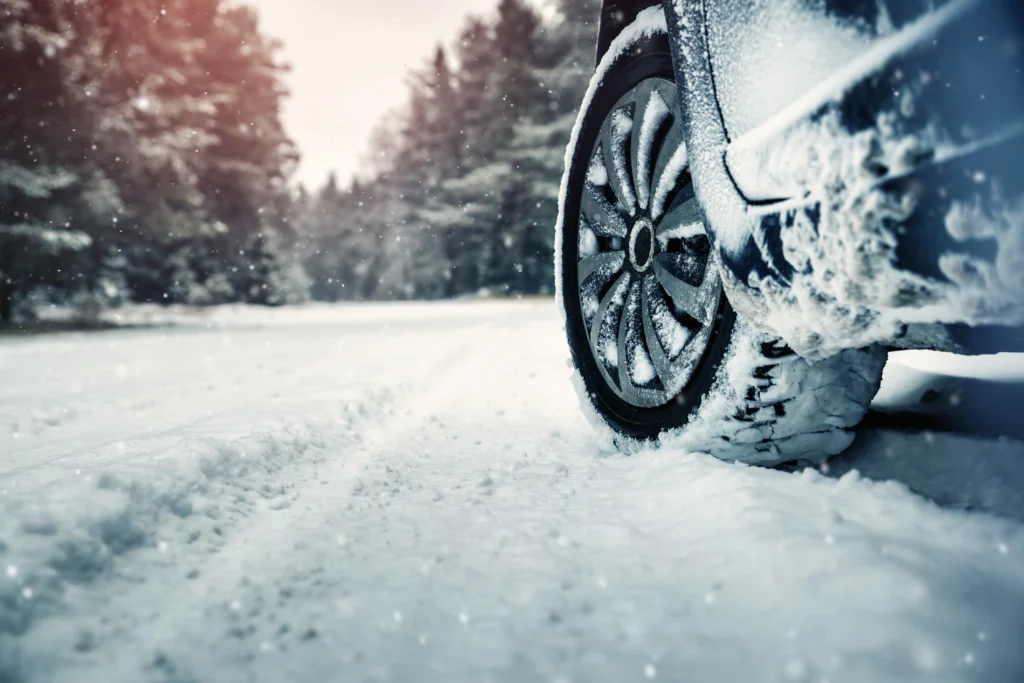
Our fleet comes equipped with high-quality all-season or mud-and-snow (M+S) rated tires, which provide standard traction for city streets and clear city highways. If your travel plans include driving on specific high-altitude interior highways in British Columbia where dedicated winter tires bearing the mountain/snowflake symbol are legally required between October and April, please communicate this to our staff in advance so we can accommodate your safety needs.
Is there a night drop-off option available if my travel schedule changes?
Yes. We understand that travel timelines can shift due to business meetings or flight adjustments. Most branch locations feature a secure after-hours key drop-box system. This allows you to return your vehicle safely outside of standard operational hours by parking it in designated lanes, locking the vehicle doors securely, and placing the keys directly into the protected drop box
- Car Rental Age Limit: The Smart and Clear Guide for Every Driver

- Car Rental around Me: The Smart and Easy Way to Rent Locally
- Car Rental Comparison Vancouver: The Smart Way to Compare and Save
- Car Rental Honda Civic: The Smart and Easy Guide to a Reliable Ride
- Car Rental Agency: The Smart Guide to Choosing the Right One


Airport Car Rental Alberta Alberta road trip from Calgary Banff Best Car Rental in Coquitlam Burnaby Calgary Calgary International Airport Calgary to Banff Canada Car Insurance Car Rental Car rental calgary Car rental in burnaby Car rental in Lax Airport Car rental insurance Car rental in Surrey Cheapest car rental in Orlando Coquitlam Coquitlam Car Rental LAX Airport long term rental los angeles car rental monthly car rental Mr rent a car Ontario International Airport Orlando Orlando florida Orlando international airport Orlando International Airport (MCO) Orlando theme park Renting a Car Richmond Surrey Tesla Car Rental tips for car rental Top Places In Calgary trip Vancouver Vancouver Airport Vancouver Car Rental Vancouver International Airport Vancouver International Airport YVR YVR YVR Airport