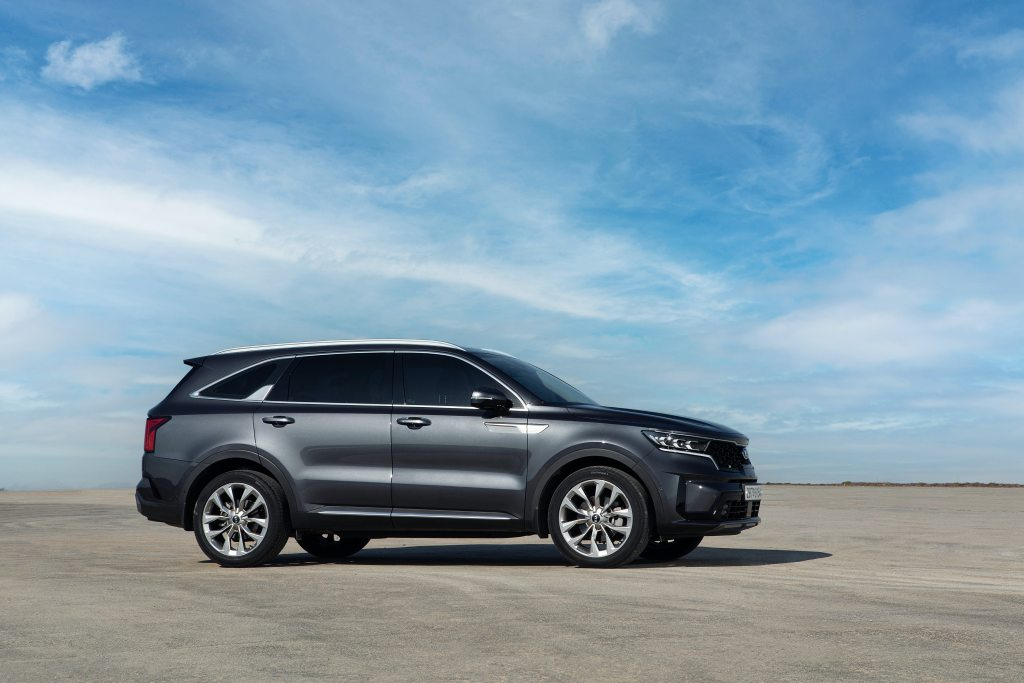
This extensive, deep-dive guide is your professional resource for navigating the vehicle market when you decide to Rent a Car in Calgary, Alberta. Whether you are a business executive flying into Calgary International Airport (YYC), an adventure seeker planning an epic road trip through Banff and the Canadian Rockies, or a local resident needing a temporary replacement vehicle, this blog covers every detail you need. You will discover how to compare vehicle categories, find the best financial deals by avoiding steep airport terminal surcharges, and decode insurance options like Collision Damage Waivers in simple English.
We also provide a professional step-by-step vehicle inspection routine, vital driving tips for navigating Alberta’s unique roads and weather conditions, and a clear breakdown of fuel and toll protocols. Read on to master the local rental process and enjoy total peace of mind on your next Western Canadian journey.
Table of Contents
Introduction: Why Calgary is Your Ultimate Gateway to Adventure
Calgary, Alberta, is a vibrant metropolis where the rolling Canadian prairies meet the dramatic, snow-capped peaks of the Rocky Mountains. It is a world-class travel destination, a booming hub for the energy and tech sectors, and the proud home of the legendary Calgary Stampede. Every single day, thousands of travelers arrive in this beautiful region. For the vast majority of them, the very first priority is to Rent a Car in Calgary to get their journey underway.
While Calgary features a growing light-rail transit system, the geographic reality of Western Canada is massive and spread out. If you want to witness the iconic, turquoise waters of Lake Louise, explore the prehistoric fossil trails in Drumheller’s badlands, or commute efficiently between corporate offices in the downtown core and the surrounding industrial parks, a private vehicle is a mechanical necessity. Having your own car gives you complete control over your schedule, allows you to escape the high costs of city taxis, and provides a safe, private environment to store your luggage.
At Mr Rent a Car, we have spent decades serving this wonderful community. We understand that renting a vehicle can sometimes feel overwhelming, with complicated contract terms, shifting fees, and various protection options. That is why we have created this comprehensive, easy-to-read guide. Written in plain, simple English, this resource is designed to give you local insider knowledge so you can choose the best vehicle for your budget and drive away with total confidence.
1. What Defines a Premium Rental Experience?
When you begin searching for a vehicle online, it is easy to get distracted by companies flashing the lowest baseline price. However, a true quality rental experience is a package built on a combination of vehicle safety, honest contract terms, and accessible local support.
Complete Fleet Maintenance and Safety Standards
A top-tier rental provider does not cut corners on vehicle health. Every car, SUV, and minivan must undergo a rigorous multi-point safety inspection before the keys are handed over to a new driver. This standard routine involves checking all fluid levels, verifying brake pad thickness, testing battery strength, and ensuring the tires have deep tread depth and correct air pressure. In a province like Alberta, where road conditions can shift rapidly from dry pavement to unexpected mountain flurries, driving a professionally maintained vehicle is a vital safety requirement.
Upfront, Honest Pricing Structures
There is nothing worse than finding a great rate online, only to see the price double at the customer counter due to unexpected fees. A trustworthy rental service believes in complete transparency. Your digital quote should clearly itemize the daily base rate, local provincial taxes, federal goods and services taxes, environmental levies, and any optional protection waivers you selected. When your final invoice matches your initial expectations, it builds a solid foundation of real trust.
Real, Local Human Support
Modern travel can be unpredictable. Flights get delayed by winter storms, business meetings run late, and vacation plans change at the last minute. Working with a company that offers local, accessible customer service makes a massive difference. Instead of waiting on hold for an automated global call center located in another country, you should be able to speak directly with a local expert who understands the Calgary area and can solve your problem immediately.
2. On-Site vs. Off-Site Airport Rentals: The Smart Financial Strategy
Because Calgary International Airport (YYC) is a major transportation hub, travelers face a major choice immediately after collecting their bags from the carousel: should you rent a car inside the airport terminal building, or choose an off-site provider located just minutes away?
The Reality of Terminal Surcharges
Renting a car directly at an airport desk inside the attached parkade feels highly convenient. However, that convenience comes with a steep financial penalty. Airport authorities charge rental companies massive concession fees and facility taxes to operate inside the building. To survive, those companies must pass these costs directly to you. This is often listed on your contract as a “Premium Location Fee” or “Airport Recovery Surcharge,” which can add a significant percentage to your total cost, turning a seemingly low rate into an expensive rental.
The Off-Site Shuttle Advantage
Opting to Rent a Car in Calgary from a provider located just outside the immediate airport boundary is the ultimate strategy for budget-conscious travelers. These off-site offices operate just a short drive away from the terminal lanes and provide complimentary, dedicated shuttle buses to transport you and your luggage directly to their office doors.
Because these locations do not have the massive overhead costs of the airport terminal, they can pass those savings directly to you through lower daily and weekly rates. By spending a few comfortable minutes on an airport shuttle, you can often save enough money to cover several days of fuel or a fantastic dinner during your stay in Alberta.

3. Selecting the Ideal Vehicle Category for Alberta’s Terrain
Alberta features an incredible diversity of landscapes, from flat, straight prairie highways to steep, winding mountain passes. Matching your vehicle category to your specific itinerary ensures a safe and comfortable ride.
Economy and Compact Sedans
These smaller models are the top choice for budget-conscious travelers and solo business commuters. They provide excellent fuel efficiency, which helps minimize your vacation expenses at the gas pump. Compact cars are also incredibly easy to navigate through Calgary’s downtown traffic and fit smoothly into standard parking stalls in tight city parkades. They are ideal if your trip is focused on urban commuting, shopping at local malls, or driving short distances on paved city roads.
Mid-Size and Full-Size Sedans
If you are traveling with a colleague or a partner and have a few large suitcases, stepping up to a mid-size or full-size sedan is a wise choice. These vehicles offer a longer wheelbase, which translates to a much smoother, quieter ride on major multi-lane routes like the Queen Elizabeth II Highway (Highway 2) between Calgary and Edmonton. They provide an optimal balance of passenger room, trunk space, and fuel economy.
SUVs and Crossovers
If your travel itinerary includes a drive westward along the Trans-Canada Highway toward Banff National Park, Kananaskis Country, or Jasper, an SUV is highly recommended. The elevated seating position gives the driver superior visibility to enjoy the mountain scenery and spot local wildlife along the roadside. Furthermore, the added ground clearance and advanced all-wheel-drive systems offer crucial stability and traction if you encounter a sudden rainstorm or unexpected high-altitude snow.
Minivans and Passenger Vans
For family reunions, group ski trips, or corporate teams traveling together, a minivan is the gold standard for group logistics. These vehicles feature dual sliding doors for easy entry and exit, versatile seating arrangements, and a deep rear cargo area that can handle multiple large bags, strollers, or sports gear. Keeping your entire group in a single vehicle reduces fuel costs, eliminates the need for multiple drivers, and turns the drive into a shared experience.
4. Decoding Rental Vehicle Insurance in Simple English
Insurance terminology can often seem confusing when looking over a rental agreement. Knowing what these terms mean before you arrive at the counter allows you to make an informed decision without feeling pressured.
Third-Party Liability Coverage
This is the most fundamental layer of vehicle protection, and it is strictly required by provincial law across Canada. Third-party liability covers damage you accidentally cause to other people, their vehicles, or public property while operating the rental car. If you are involved in a collision with another motorist, this coverage handles their vehicle repair costs and medical expenses. Professional rental operations include the legally required provincial minimum of this coverage within their baseline pricing so that the vehicle is completely legal to operate on public roads.
Collision Damage Waiver (CDW) / Loss Damage Waiver (LDW)
It is important to understand that a CDW is not an insurance policy. Instead, it is a contractual agreement where the rental agency agrees to waive or give up its legal right to make you pay for the cost of repairing or replacing the rental vehicle if it is damaged, vandalized, or stolen during your trip.
- The Deductible Amount: When you purchase a standard CDW, your financial exposure is capped at a set, pre-determined amount known as the deductible or excess. If the vehicle requires major bodywork after an incident, you are only responsible for paying that fixed deductible, and the company takes care of the remainder.
- Zero-Deductible Upgrades: For complete peace of mind, many international travelers select a premium protection package that reduces the deductible to zero. This means that if the car suffers a scratch, paint chip, or dent during your journey, you can return the keys without facing any out-of-pocket repair bills.
Analyzing Personal Auto Insurance and Credit Card Benefits
Many drivers carry premium credit cards or personal car insurance policies at home that offer rental car protection. While relying on these existing benefits can save you from purchasing daily add-ons, you must verify the details before you land:
- Contact Your Provider Directly: Call your credit card company or insurance broker before your departure date and ask explicitly if their policy extends to a commercial rental vehicle in the province of Alberta.
- Review Class Restrictions: Be aware that many standard credit card insurance policies completely exclude luxury sport models, large passenger vans, or full-size SUVs from their coverage lists.
- Understand the Claims Journey: Keep in mind that credit card rental coverage is typically “secondary.” If the vehicle is damaged, you will usually need to pay the rental agency for the repairs out of your own pocket immediately, and then go through the multi-week administrative process of submitting invoices and police reports to your credit card company for reimbursement. Choosing the rental agency’s direct waiver avoids this stress, as any claims are managed internally from day one.
5. The Professional Step-by-Step Vehicle Inspection Routine
No matter what vehicle category you choose for your reservation, you should always perform a thorough, five-minute physical check of the vehicle before driving out of the lot. This simple process serves as an official record, protecting your security deposit from being charged for pre-existing wear and tear.
Step 1: Document with a Continuous Video
Before loading your luggage into the trunk, pull out your smartphone and turn on the video camera. Start at the front driver’s side corner and slowly walk a complete circle around the entire vehicle. Keep your camera lens focused on the lower sections of the body panels, the undersides of the bumpers, and the condition of the wheels, as these are the most common areas for minor scratches from gravel or curbs.
Step 2: Examine the Front Windshield and Windows
Slowly look over the front windshield to check for any tiny stone chips, pits, or hairline cracks. Because Alberta highways use small stones for winter traction, highway gravel can occasionally chip vehicle glass. If you spot even a microscopic chip, point it out to the rental agent so it can be added to your digital contract file before you exit the lot. This prevents a minor pre-existing chip from turning into a large crack during a temperature shift and being attributed to your rental.
Step 3: Test Crucial Interior Features
Sit in the driver’s seat and familiarize yourself with the vehicle’s control layout. Turn on the windshield wipers to ensure they wipe clearly, and test the climate control system to make sure both the air conditioning and the cabin heater function properly. If you are navigating via your smartphone, plug your charging cable into the dashboard USB port to verify that it provides power and connects smoothly to the vehicle’s display screen.
Step 4: Record the Dashboard Gauges
Start the engine and take a clear, high-resolution photograph of the dashboard instrument cluster. This photo establishes an undeniable record of your starting odometer mileage and confirms that the fuel tank is completely full at the time of pickup.
6. Local Driving Tips for Calgary and the Alberta Highways
Driving in a new province or country can occasionally feel unfamiliar. Alberta has specific traffic regulations and environmental factors that every driver should understand to ensure a safe and law-abiding journey.
- The Metric System Standard: All road signs across Canada display speed limits and distances using the metric system. Speedometers show kilometers per hour (km/h). Standard highway speed limits range from 100 km/h to 110 km/h, while urban city streets default to 50 km/h unless an official sign indicates a lower limit, such as 30 km/h in school and playground zones.
- Right Turns on Red Lights: Unless an official street sign explicitly states “No Right Turn on Red,” motorists are legally permitted to make a right turn at a red traffic light. However, you must first come to a complete and total stop, verify that the intersection is clear of cross-traffic, and yield the absolute right-of-way to any pedestrians crossing the street.
- Deer and Wildlife Hazards: Animals frequently cross major rural and mountain highways in Alberta. Stay highly alert, especially during dawn and dusk hours along the Trans-Canada Highway and areas nearing Banff National Park. Use your high beams when safe to do so to help spot the reflective eyes of deer, elk, or moose along the roadside.
- Navigating the Deerfoot Trail: Highway 2, known locally as the Deerfoot Trail, runs directly north-south through Calgary. This multi-lane highway can experience heavy congestion and rapid lane changes during morning and afternoon rush hours. Plan your lane adjustments early, stay focused, and maintain a safe following distance behind the car in front of you.
7. Mastering Winter Road Conditions in Alberta
If your trip to Calgary takes place between late autumn and early spring, you need to prepare for winter driving conditions. The weather in Alberta can change rapidly, bringing snow, ice, and reduced visibility over high mountain terrain.
The Phenomenon of the Chinook Wind
Calgary experiences a unique weather phenomenon known as a “Chinook.” This is a warm wind that blows over the mountains from the Pacific Ocean, causing local temperatures to rise significantly in just a few hours. While this provides a welcome break from the cold, it causes snow on the roads to melt rapidly. When night falls and temperatures drop again, this melted snow freezes into a thin, transparent layer of ice known as “black ice.” Always exercise caution and reduce your speed when driving over bridges, overpasses, and shaded mountain roads after a Chinook wind event.
Adapting Your Driving Habits for Ice and Snow
When operating a vehicle on snowy or icy surfaces, the most important rule is to make all driving movements slow and deliberate. Avoid sudden braking, sharp steering adjustments, or rapid acceleration, as these actions can cause your tires to lose traction. Increase your following distance behind the vehicle ahead to give yourself plenty of space to come to a smooth stop. If your car begins to slide, take your foot off the gas pedal and steer gently in the direction you want the front of the car to go.
8. Navigating Fuel Management and Return Protocols
Ending your rental contract smoothly is just as important as the pickup process. Understanding the rules regarding refueling and return timing ensures a fast, trouble-free drop-off process.
The Standard “Level-to-Level” Fuel Expectation
Most professional rental agreements operate under a strict “Level-to-Level” fuel policy. This means the company hands over a vehicle with a completely full tank of gasoline, and you are expected to return it to their lot in the exact same state.
- The Refueling Cost Trap: We highly recommend filling up the tank yourself right before dropping off the vehicle. If you return the car with the fuel gauge below full, the rental agency will charge you to top it up. Because this requires staff resources, the refueling price per liter charged by rental operations is significantly higher than the market rates found at a local retail gas station.
- Pro Tip: Locate a commercial gas station located a few kilometers away from the airport grounds in North Calgary or along your perimeter approach route. Fill the tank completely right before you check in, and keep the paper fuel receipt in your wallet as proof of the time, date, and location of your final fill-up.
Tracking Parking Tickets and Electronic Tolls
While the vast majority of highways across Alberta are completely free to use, if you drive your rental vehicle westward into British Columbia or onto specific private toll routes, your vehicle may pass under automated electronic toll cameras. These camera systems photograph the vehicle’s license plate and forward the bill directly to the registered owner. If you cross a toll route or receive a digital camera parking ticket, the rental company will automatically charge the cost of the toll or fine to your credit card on file, typically accompanied by a standard administrative processing fee.

9. Summary
Choosing to Rent a Car in Calgary is the single most effective decision you can make to unlock the ultimate freedom, beauty, and business opportunities of Alberta. By opting for a professional off-site provider located just minutes away from Calgary International Airport, you can easily bypass expensive terminal-specific airport taxes while still enjoying a prompt, complimentary shuttle service to carry your luggage directly to your vehicle. Remember to select a vehicle class that aligns perfectly with your passenger numbers, luggage volume, and travel terrain—whether that means a fuel-efficient sedan for urban commuting along the Deerfoot Trail or a powerful all-wheel-drive SUV for exploring the high-altitude landscapes of the Canadian Rockies.
Protect your budget and your safety by thoroughly reviewing your insurance options, conducting a careful five-minute video inspection before you drive out of the lot, and adapting your driving habits to match the changing Western Canadian weather. With the right set of keys in your possession and a clear understanding of the rental process, your journey through the vibrant cities, scenic badlands, and majestic mountain parks of Alberta will be safe, smooth, and unforgettable.
Frequently Asked Questions (FAQs)
How do I access the free shuttle bus from Calgary Airport (YYC) to an off-site rental office?
Once you have collected all of your luggage from the arrivals carousel, simply exit the terminal building on the arrivals level and follow the clear overhead signs marked “Courtesy Shuttles.” Walk across the roadway to the designated shuttle pick-up lanes. Our clearly marked shuttle vans stop regularly at these spots to assist you with your bags and provide a fast, comfortable ride straight to our check-in counter.
Is it legal to drive a Calgary rental car across provincial borders or into the United States?
Yes, crossing provincial borders into British Columbia or Saskatchewan, or driving south across the international border into Montana or Idaho, is very common. However, it is an essential requirement that you inform our counter staff of your intended driving route during pickup. This ensures that your documentation remains valid and that your vehicle choice matches the regulations of your destination.
What specific documents must I present at the counter to pick up my car?
The primary driver listed on the reservation must present a valid, unexpired driver’s license from their home country or province. If your license is written in a language other than English or French, you must also carry an official International Driving Permit. Additionally, you must provide a major credit card in the exact same name as your driver’s license to hold the standard security deposit, along with a valid passport if you are visiting from overseas.
Do Calgary rental cars come equipped with dedicated winter tires?
During the winter months, our fleet is equipped with high-quality all-season or mud-and-snow (M+S) rated tires, which provide standard traction for city streets and major clear highways. If you plan to drive on specific mountain routes in neighboring British Columbia where dedicated winter tires with the mountain/snowflake symbol are legally mandated during winter, please inform us well in advance so we can ensure your assigned vehicle meets those specific legal criteria.
What happens if my return flight lands late at night or early in the morning?
We understand that commercial flight schedules can change unexpectedly. If your return flight is delayed or if you need to drop off your vehicle outside of our standard office operating hours, ask our counter staff about our secure after-hours return protocols. We feature a secure key drop-box system that allows you to park the vehicle safely in our designated lanes, lock the doors, and drop the keys off at any time, keeping your travel schedule smooth.