
Driving in winter requires more than just a good vehicle; it requires the right equipment to keep you safe on slippery roads. This comprehensive guide covers everything you need to know about snow tire rental. We will explain why specialized winter tires are essential for cold weather, how they differ from standard tires, and the specific legal requirements for driving in regions like British Columbia.
You will also find a detailed walkthrough on how to select a rental vehicle equipped for snow, tips for driving in icy conditions, and how Mr. Rent a Car ensures your safety with a winter-ready fleet. Whether you are heading to the mountains or commuting through the city, this blog provides the expert knowledge you need for a stress-free winter journey.
Table of Contents
Introduction: The Importance of Winter Preparedness
When the temperature drops and the first snowflakes fall, the roads change instantly. For many drivers, the transition from dry pavement to slush, ice, and deep snow can be intimidating. This is where the concept of a snow tire rental becomes a lifesaver.
In many parts of Canada, having the right tires isn’t just a recommendation—it is a necessity for survival and a legal requirement on many highways. Standard tires lose their grip when it gets cold, making it harder to stop and turn. By choosing a vehicle with a professional snow tire setup, you are investing in your safety and the safety of everyone else on the road. In the following sections, we will explore the mechanics of winter tires and how you can secure the best rental for your upcoming trip.
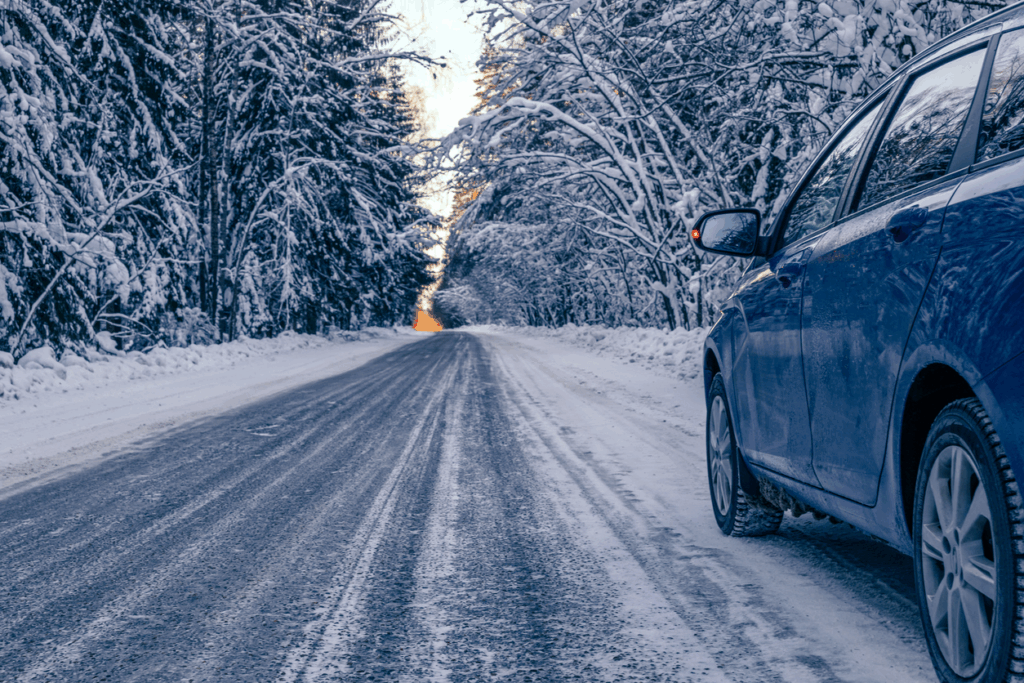
1. What Exactly is a Snow Tire Rental?
A snow tire rental typically refers to renting a vehicle that has already been equipped with specialized winter tires. Unlike purchasing tires for your own car, renting allows you to access a winter-ready vehicle only when you need it, which is perfect for travelers or residents whose personal cars aren’t equipped for extreme weather.
The Science of Winter Rubber
Winter tires are made from a softer rubber compound that remains flexible even in sub-zero temperatures. Standard “all-season” tires tend to harden when it gets cold, which reduces their ability to “grip” the road. The tread patterns on snow tires are also much deeper and feature tiny grooves called “sipes” that bite into ice and packed snow.
Why Rental Choice Matters
When you look for a snow tire rental, you are looking for a service that prioritizes maintenance. A tire is only as good as its tread depth. Professional rental agencies ensure that their winter fleet has the maximum amount of tread to provide the best possible traction.
2. Demonstrating Expertise and Trust (E-E-A-T)
When it comes to safety equipment like tires, you need to know you are getting advice from experts.
Experience in Local Conditions
A company like Mr. Rent a Car has years of experience navigating the specific winter challenges of the Pacific Northwest. They understand that a “snow tire” in the city might need to be different from one used for a trip up to a mountain resort. This local expertise ensures you get a vehicle that matches your specific destination.
Building Trust Through Safety Standards
Trust is built when a company goes above and beyond the minimum legal requirements. A trustworthy provider will inspect every tire before a car goes out on a new rental. They check for air pressure, tread wear, and any signs of damage. This commitment to detail is what separates a high-quality rental from a basic one.
3. Legal Requirements for Winter Tires
In many regions, especially in British Columbia, the law dictates when and where you must use specialized tires.
Designated Winter Tire Routes
From early October until late April, many highways require vehicles to have tires marked with the “Mountain Snowflake” or “M+S” (Mud and Snow) symbol. If you are caught driving a vehicle without these on a designated route, you could face fines or be turned back by authorities.
Understanding the Symbols
When you pick up your snow tire rental, look at the side of the tire. The “Mountain Snowflake” symbol indicates a true winter tire that has passed specific snow traction tests. The “M+S” symbol is more common but still meets the legal minimum for many BC highways. A professional rental agent will show you these markings so you know your vehicle is compliant.
4. How to Find and Book a Snow Tire Rental
Booking a winter-ready vehicle is a simple process if you know what to ask for.
Total Time Needed: 15 Minutes Tools Required: Smartphone or computer, valid license, credit card.
Step 1: Identify Your Destination
Before searching, determine if your route includes mountain passes. If you are staying strictly within a city that rarely sees snow, your needs might be different than if you are driving toward a ski resort.
Step 2: Search Specifically for Winter Equipment
When searching for a snow tire rental, look for companies that explicitly mention “winter tires” or “snow tires” as an option or a standard feature of their winter fleet. Visit the Mr. Rent a Car website and look for “Winter Ready” packages.
Step 3: Confirm the Tire Type
Don’t be afraid to ask the rental office directly: “Does this specific car have mountain-snowflake rated tires?” An expert provider will be happy to confirm this for you, as they understand the importance of safety.
Step 4: Complete the Reservation
Finalize your booking online to ensure that a winter-equipped vehicle is reserved specifically for you. During high-demand periods like December and January, these vehicles can sell out quickly.

5. Driving Tips for Snowy and Icy Roads
Having the right tires is half the battle; the other half is how you drive.
The Golden Rule: Slow Down
Speed is the biggest enemy on icy roads. Even with a high-quality snow tire rental, your stopping distance is much longer on ice than on dry pavement. Reduce your speed well below the posted limit if you see snow or slush.
Increase Your Following Distance
In normal conditions, a two-second gap is standard. In the winter, you should increase this to at least six or eight seconds. This gives you plenty of time to react if the car in front of you slips or brakes suddenly.
Smooth Inputs
Avoid slamming on the brakes or jerking the steering wheel. Use gentle, steady movements. If your car has an Anti-lock Braking System (ABS), apply firm, steady pressure if you need to stop quickly—don’t “pump” the brakes.
6. Inspecting Your Winter Rental Before You Drive
Before you leave the lot, perform a quick check to ensure the car is truly ready for the cold.
Check the Tread Depth
Legally, tires must have a certain amount of tread to be considered safe. You can check this by looking for the “wear bars” in the tire grooves. If the tread is flush with the bars, the tire needs to be replaced. At Mr. Rent a Car, we ensure all our snow tires are in top condition.
Inspect the Windshield and Wipers
Winter driving involves a lot of road salt and slush being sprayed onto your windshield. Ensure the wiper blades are not torn and that the washer fluid reservoir is full of winter-grade (non-freezing) fluid.
Look for an Ice Scraper
A good snow tire rental should come equipped with a snow brush and an ice scraper. Check the trunk or the backseat to make sure these tools are present before you head into a storm.
7. The Different Levels of Winter Protection
Not all “winter” setups are the same. Depending on your needs, you might choose different levels of protection.
All-Weather Tires
These are a step above all-seasons and are legal for winter highway use. They are a good “middle ground” for drivers who expect a mix of rain and light snow.
Dedicated Snow Tires
These are the gold standard for snow tire rental. They are designed specifically for ice and deep snow. If you are heading into the heart of the mountains, these are the tires you want on your vehicle.
Four-Wheel Drive (4WD) and All-Wheel Drive (AWD)
While tires are the most important factor for stopping and turning, having a 4WD or AWD vehicle helps with “going.” These systems provide better power distribution, making it easier to pull away from a stop or climb a snowy hill.
8. Why Choose MR Rent a Car for Winter?
At MR Rent a Car, we take winter safety seriously. We understand that our customers rely on us to provide vehicles that can handle the unpredictable weather of British Columbia.
Meticulous Maintenance
Our team inspects every vehicle between rentals. We don’t just look at the engine; we look at the safety systems that matter most in winter, including the battery, the heater, and of course, the tires.
Transparent Information
When you ask for a snow tire rental, we provide clear details about the equipment you are getting. We believe in honesty and want you to feel confident the moment you start the engine.
9. Common Winter Rental Myths
- Myth 1: AWD is enough; I don’t need snow tires. Reality: AWD helps you move forward, but it does NOT help you stop or turn on ice. Only the rubber of the tires provides grip.
- Myth 2: I can just use chains. Reality: Chains are difficult to install and are only meant for very specific, extreme conditions. A dedicated snow tire is much more practical for general winter driving.
- Myth 3: Snow tires are only for the mountains. Reality: Snow tires are safer whenever the temperature is below 7 degrees Celsius, even if there is no snow on the ground, because the rubber stays softer.
10. Summary
Securing a snow tire rental is the most important decision you can make for a winter trip. By choosing a vehicle equipped with specialized winter rubber, you are ensuring better grip, shorter stopping distances, and compliance with local laws.
Remember to book your winter-ready vehicle in advance, especially during the peak holiday season. Perform a thorough inspection of the tread and wiper blades before you leave, and always adjust your driving style to match the conditions. With a reliable partner like Mr. Rent a Car, you can enjoy the beauty of the winter landscape with the peace of mind that you are driving a vehicle built for the challenge.
Summary Description: This guide explains the importance of snow tire rentals, covering the science of winter traction, legal requirements in BC, and providing a step-by-step process for booking a safe, winter-ready vehicle.
Frequently Asked Questions (FAQs)
How can I tell if my rental has real snow tires?
Look for the “Mountain Snowflake” symbol on the side of the tire. This proves the tire is rated for severe snow conditions.
Is there an extra fee for a snow tire rental?
This depends on the package you choose. Some companies include them in “Winter Ready” rates, while others may offer them as a specific add-on. Always check your booking summary.
What happens if I drive on a winter-only highway without snow tires?
You can be fined by the police, and in some cases, your vehicle may be towed for safety reasons. It is always best to be compliant with the law.
Do snow tires make the car louder?
You might notice a slight increase in road noise because of the aggressive tread pattern, but this is a small trade-off for the massive increase in safety.
Should I check my tire pressure in the winter?
Yes. Cold air causes tire pressure to drop. If you notice a “low tire” light on your dashboard during your snow tire rental, stop at a gas station to top it up or contact the rental office for assistance.